
| Page Created |
| March 28th, 2026 |
| Last Updated |
| April 15th, 2026 |
| France |
 |
| Related Pages |
| Special Air Service Operation Jedburgh Operation Amherst Operation Amherst, Zone A Operation Amherst, Zone B Operation Amherst, Zone C Operation Amherst, Zone D Operation Amherst, Zone E Operation Amherst, Zone F |
| April 7th, 1945 – April 13th, 1945 |
| Operation Amherst, Zone C |
| Objectives |
- Secure the crossings over the canal east of Beilen: the drawbridges at Zwiggelte, Westerbork, and Orvelte.
| Operational Area |
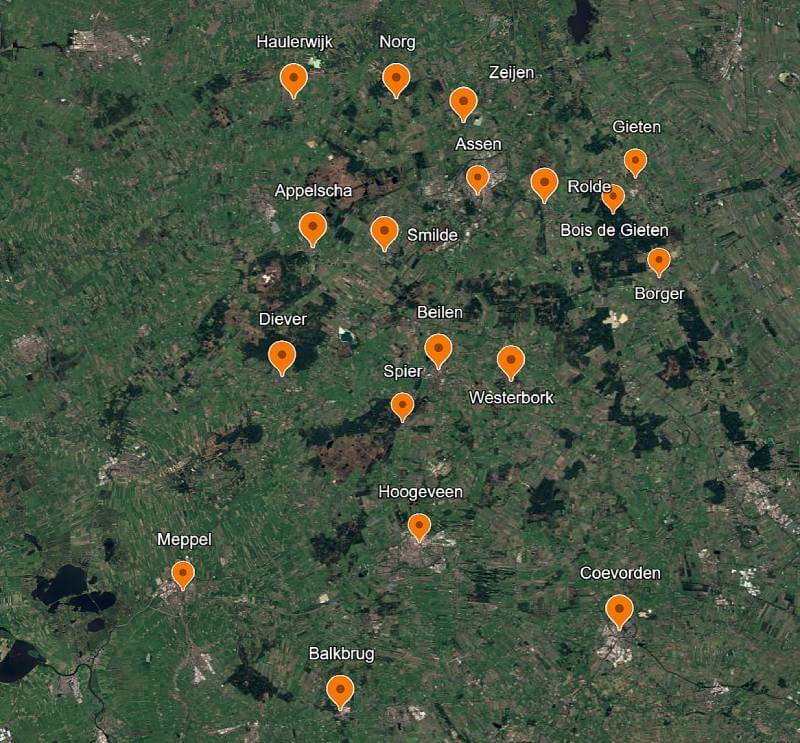
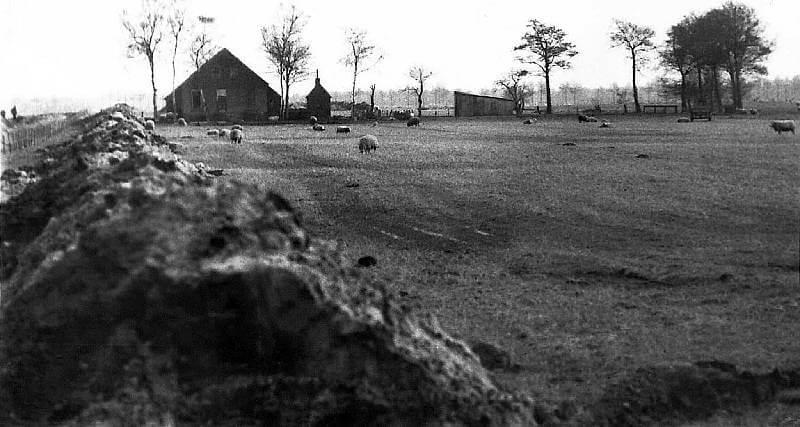
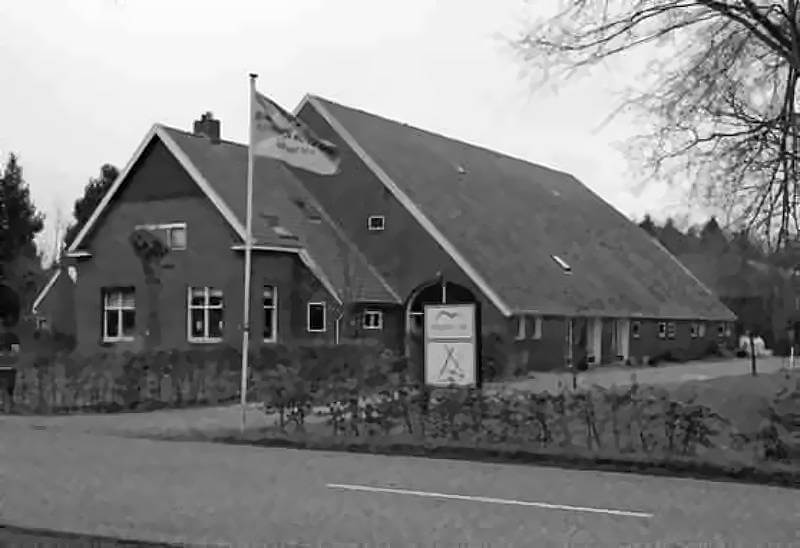
| Zone C, Westerbork |
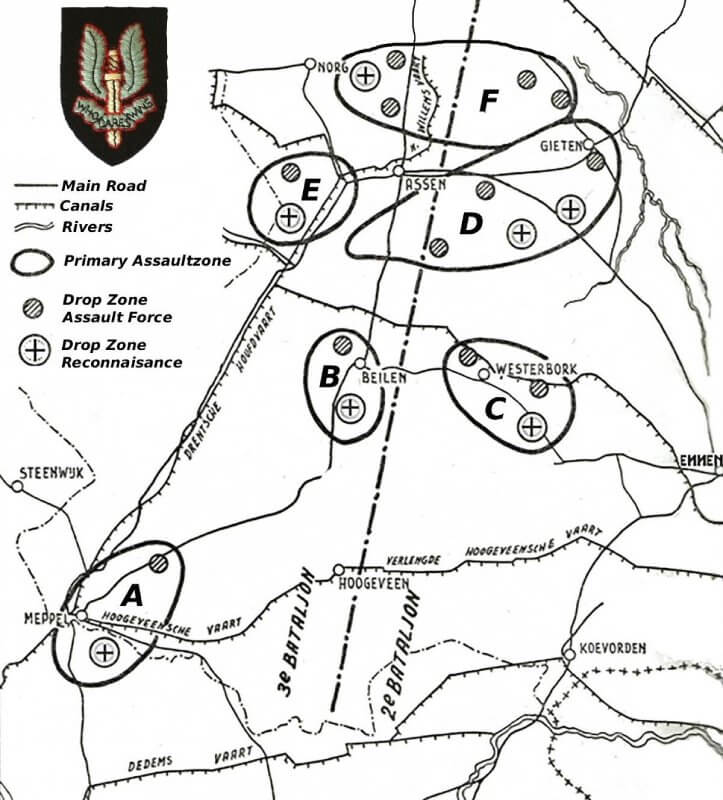
Zone C covers the centre-north of the Operatie Amherst sector. Drop Zones 3, 6, and 25 are assigned to the 3e Compagnie of the 2e Régiment de Chasseurs Parachutistes, reinforced by two sticks of the 2e Compagnie. All three drop zones lie on the north side of the Oranjekanaal. The mission is to secure the crossings over the canal east of Beilen: the drawbridges at Zwiggelte, Westerbork, and Orvelte. The Germans are already transforming the Oranjekanaal into a second defensive line, rushing in Fallschirmjäger recruits of the Fallschirmjäger Ersatz und Ausbildungs Regiment and preparing the bridges for demolition.
The sticks designated for Drop Zone 6 are those of De Camaret with chalk number 17 and Edme with chalk number 18, both flying from Great Dunmow airfield, dropping between 22:30 and 23:00 on April 7th, 1945, each carrying twelve paradummies. Drop Zone 25 is assigned to the sticks of Puech-Samson with chalk number 22, Taylor with chalk number 23, and Betbèze with chalk number 24, all flying from Rivenhall airfield and dropping between 23:30 and 23:59. All aircraft carry four supply containers in addition to their sticks.
On the night of April 7th to 8th, 1945, a stick of the 1e Compagnie, 2e Régiment de Chasseurs Parachutistes, under Lieutenant Jean Sriber, drops near Dedemsvaart, approximately sixty kilometres from its intended drop zone northwest of Westerbork. Faulty radar navigation is responsible for the error. The men regroup quickly. One, Corporal Pierre Ruffenacht, sprains his ankle on landing. Sriber quickly establishes from contact with Dutch civilians that he has come down southwest of the township of Lutten, in an area where the Manitobas have been operating for several days.
At 07:30 on April 8th, 1945, a Special Air Service jeep patrol of the Belgian 5 Special Air Service at Hardenberg is informed through the Dutch resistance that a group of eleven French paratroopers, mistakenly dropped at the Stegerens Hoeve farm east of Dedemsvaart, is reported to be encircled and in need of assistance. A Belgian patrol of four jeeps and one fifteen-hundredweight truck moves out immediately. The French are found and identified as the Sriber stick. They are not in fact surrounded and tell the Belgians they wish to remain in the area. The wounded Ruffenacht is evacuated to Coevorden.
Lieutenant Sriber resolves to make the best of the situation. For several days the stick conducts intelligence operations and patrols in support of the Canadians. On April 10th, 1945, they search the woods south of the Ommen to Heemse road near Hardenberg for isolated enemy soldiers and set ambushes on the same road, destroying one light enemy vehicle. On April 12th and 13th they patrol the forests south of the Ommen to Heemse road and along the River Vecht. Confirmed losses inflicted on the enemy amount to seven prisoners and one man killed or wounded, with a further three possibly killed or wounded in the vehicle ambush.
The fifteen men of the Betbèze stick sit crammed together in the fuselage of their Stirling as it crosses the North Sea. Captain Alexis Betbèze is a career officer with a remarkable history. Taken prisoner in 1940, he escapes and is recaptured ten times before finally resuming active service via Switzerland, Spain, North Africa, and England. He does not sleep on the flight. The jump order comes through: the drop will be made from approximately 500 metres rather than the planned 150 metres due to dense cloud over the target area. One after another the fifteen men drop through the hatch and disappear into a grey, featureless void. Cloud and darkness merge. The ground rises to meet them without warning.
The Betbèze and Puech-Samson sticks both land south of the Oranjekanaal, far from their assigned Drop Zone 25, which lies north of the canal near the village of Elp. Captain Betbèze quickly gathers his men and moves to a nearby farmhouse to establish his location. With considerable difficulty he persuades the terrified occupants to open their door. The farmer is uncooperative but agrees to indicate the position of his farm on Betbèze’s map. The stick has come down near Garminge, approximately five kilometres south of the intended drop zone, on the wrong side of the canal. The farmer advises them to contact the schoolmaster of Witteveen, a neighbouring hamlet.
Betbèze establishes a base camp in a small woodland near Witteveen and immediately begins searching for the supply containers. Despite an extended search in the dark with four men, he finds no trace of them and returns to the base empty-handed at dawn. Without the two containers holding food and the two holding weapons and ammunition, the mission is seriously compromised. On returning to the base, Betbèze finds Corporal Jean Cognet, a radio operator, and Lieutenant Robert Andréota, the medical officer of Puech-Samson’s staff company, already present. Shortly afterwards, Commandant Pierre Puech-Samson arrives at the base camp accompanied by his adjutant, Captain Mouillié, and the remainder of his staff group, guided by a Dutch civilian named Hildebrand Lohr. The Puech-Samson stick has also landed south of the Oranjekanaal. Puech-Samson is incapacitated by a shoulder injury sustained on landing, which he conceals from his men as best he can.
Corporal Noël Créau, a member of Puech-Samson’s staff, lands in a meadow in the middle of a pond. Following standard procedure, he orients himself by the direction of the aircraft’s flight and moves toward the containers, which are marked for the first time with a small red light on a self-deploying tripod. He finds the containers almost immediately and begins guiding his comrades toward them by zigzagging through the terrain. The first person he encounters is the medical officer, who appears disoriented after his first jump and wanders off into the darkness. He is not seen again until the end of the operation. The containers are recovered, but the swampy terrain makes movement with the heavy loads extremely difficult. Unlike standard practice, the parachutes and containers are left in the open field on departure, in accordance with the deception plan.
By dawn, 29 French paratroopers have assembled around Puech-Samson at the Witteveen base camp. Through the local schoolteacher, contact is made with Van Lohuizen, a meteorologist at the Witteveen weather station who speaks fluent French. Van Lohuizen learns from local sources that a German headquarters with a senior officer is located in the nearby village of Westerbork. Rather than risk a telephone call that might be intercepted by the Germans, Van Lohuizen contacts the local doctor at Westerbork and arranges for trusted resistance members to travel to Witteveen in person. Two local policemen, Stoel and Straver, arrive by bicycle and confirm the details. Generalmajor D. Böttger of Feldkommandantur 674, the officer responsible for the entire Hoogeveensche Vaart defensive line, has established his headquarters in Restaurant Slomp, diagonally opposite the village church in the centre of Westerbork. The house next to it contains a signals section with a telephone exchange, most likely manned by Luftwaffe personnel. When not on duty, Böttger stays at a house on the eastern edge of the village. On the western outskirts, a labour camp at the Pietersberg holds several hundred Dutch civilian workers forced to construct German trenches, dugouts, and anti-tank ditches. A small camp guard detachment secures it. A larger German garrison at Beilen, estimated by civilians at approximately 1,500 men though the figure is uncertain given the constant movement of retreating units, could also intervene from the west.
The prospect of striking the headquarters of the very officer commanding the final German defensive line is compelling. Despite his small and exhausted force, Puech-Samson decides to attack. Puech-Samson requests further intelligence. Boezeman sends the chief sergeant of the Marechaussee, Derk Jan Stoel, who lives next to the café and knows the situation well. He has instructions to come back to Witteveen at 13:00 to guide the French to the village. On returning to Westerbork, Stoel finds Sergeant Wim van der Veer, No. 2 Dutch Troop, No. 10 (Inter-Allied) Commando, already at his house. Van der Veer has been using Stoel’s home as a hiding place for some time. During the landings he is at Appelscha but cycles to Westerbork as quickly as he can. The two men go together to the French to act as guides.
While the plan is being developed, Betbèze makes one more attempt to find his missing containers. He goes out again at dawn with four men and searches until 11:00 on April 8th, 1945, before finally locating them. They have been dropped after the last man exits the aircraft rather than mid-stick, causing them to land approximately four kilometres from where the paratroopers come down. This is a significant deviation from standard operating procedure, which is specifically designed to prevent exactly this outcome. Dutch civilians have already found the containers before the French and have helped themselves to most of the food. The weapons containers are intact, giving the attack force two additional Bren guns and spare ammunition. Betbèze and his men haul the containers back to the Witteveen base camp, arriving exhausted at 14:00.
Puech-Samson informs Betbèze that the attack on Westerbork will go ahead immediately. Betbèze would prefer to wait for darkness. His subordinates, Lorang-Schweirer and Bobinec, press for an immediate attack, supported by their men who are eager for action, and on the grounds that delay risks the German headquarters departing before the French arrive. Puech-Samson agrees. The attack will not wait for nightfall.
At 09:40 on April 8th, 1945, Puech-Samson transmits his first wireless message to main SAS Headquarters, reporting that he has gathered two sticks without making contact with the enemy and that all is well. He adds that he is heading toward Westerbork, indicating that the plan is already decided before the message is sent. A second message follows at 10:00, providing intelligence on the military situation in the area, including the location of demolished bridges over the Oranjekanaal at Zuidveld and Orvelte.
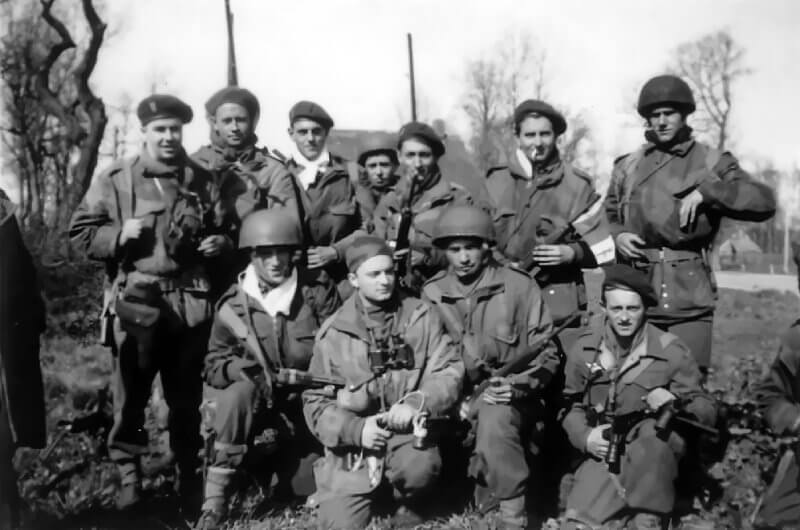
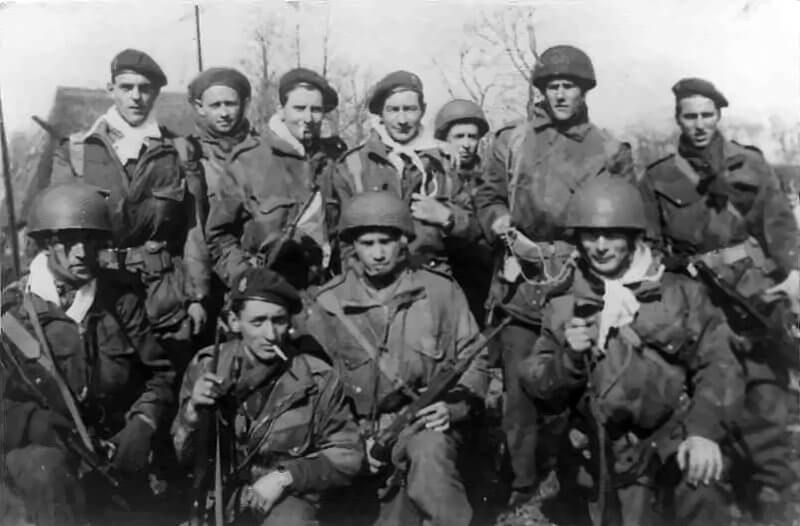
Twenty-one French paratroopers under Captain Betbèze set out for Westerbork. Approximately eight men remain at Witteveen to guard the base camp, among them Puech-Samson and Captain Mouillié, both incapacitated by landing injuries, and three of the four wireless operators. Corporal Jean Cognet, one of the signallers, volunteers for the attack. With Derk-Jan and Wim van der Veer leading the way, the French move along sandy tracks and secondary roads through the settlements of Garminge and Eursinge, avoiding the main roads. Residents of the small farms along the route come out to cheer the paratroopers, mistaking their passage for liberation. At one point the soldiers are forced to send the civilians away, as their open enthusiasm draws attention to the column. The march takes approximately two hours. En route, the sound of a firefight reaches them from the northeast along the Oranjekanaal. They do not know it at the time, but this is the stick of Lieutenant Georges Taylor, engaging enemy forces along the canal. The sound fades. The men of the Betbèze stick march on through a warm Sunday afternoon toward Westerbork.
| Multimedia |
| Zone C, raid on Westerbork |
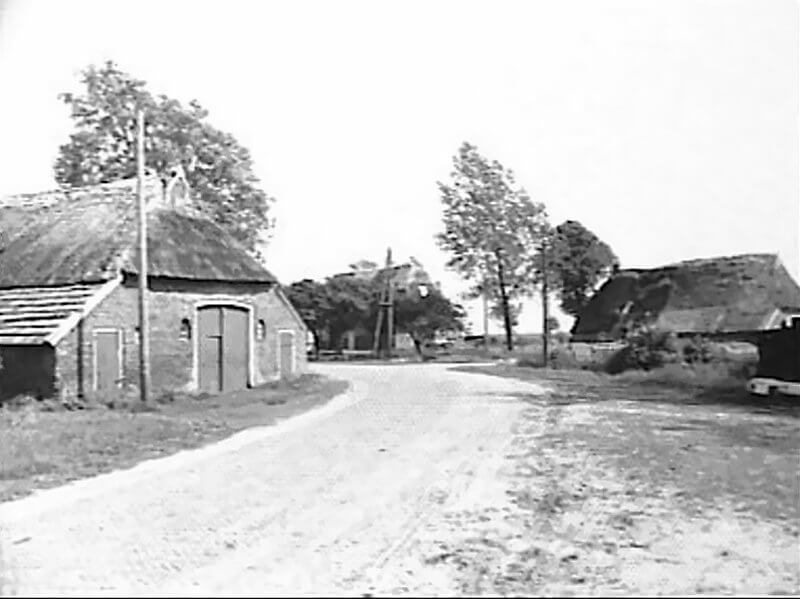
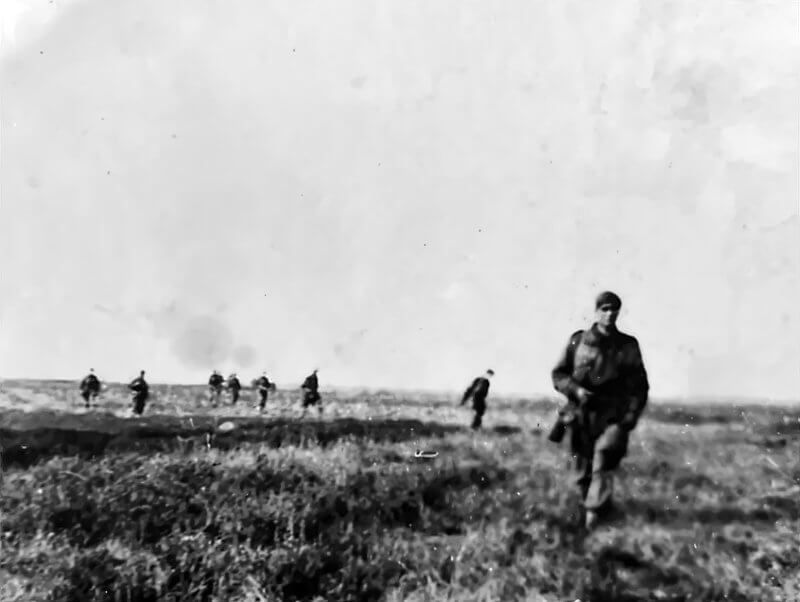
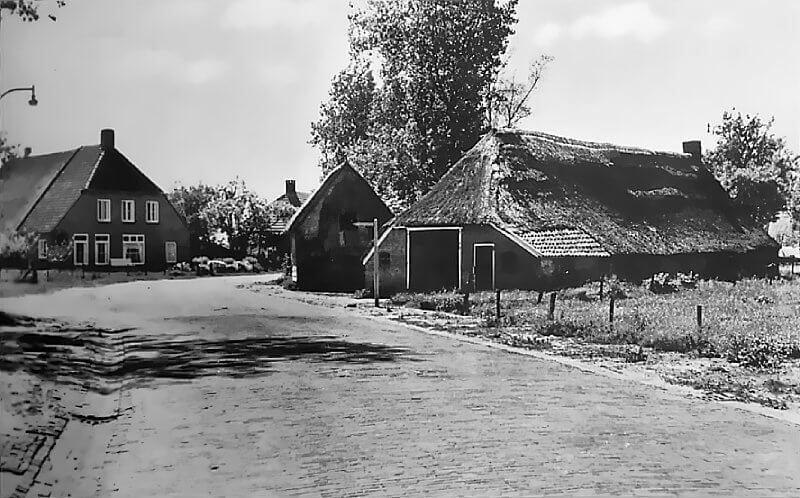
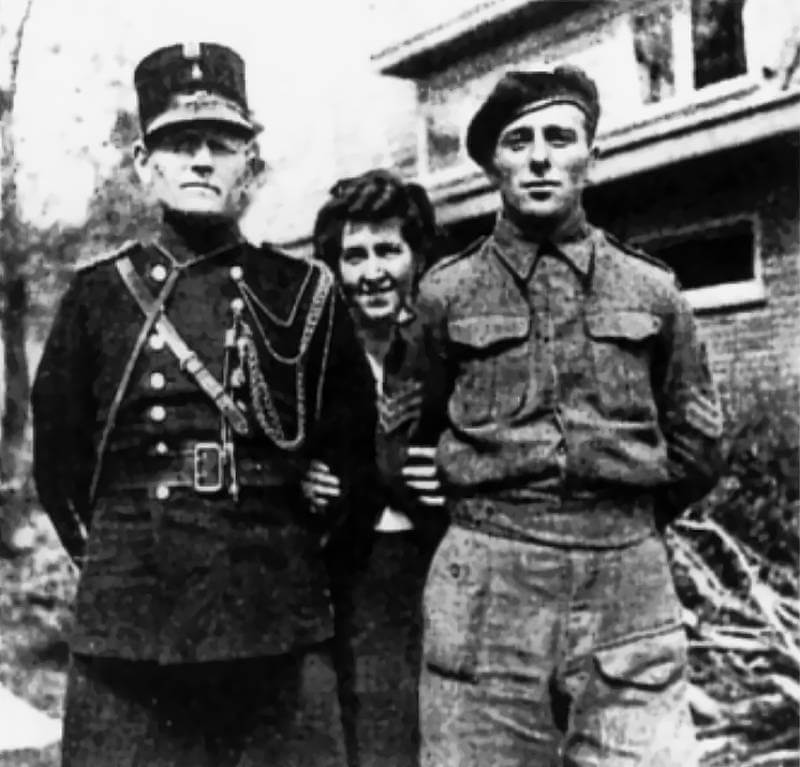
Three groups of paratroopers set out for Westerbork to attack the headquarters. During the approach they take a Landwacht member prisoner and bring him along, aware that they will have to deal with him if the operation goes wrong. At 15:30 on April 8th, 1945, the Betbèze force reaches the first farm buildings on the southern edge of Westerbork. Because Stoel is too well known in the area to move in uniform without attracting attention, he remains behind at the edge of the village. With Wim van der Veer, leading the assault force alone, the twenty-one paratroopers move through back gardens toward the German headquarters, approaching to within a few hundred metres of Restaurant Slomp. The village is quiet. German soldiers go about their routine business in the main street, entirely unaware of what is closing in on them. Several civilians spot the French paratroopers and quietly take shelter without raising the alarm.
From behind a hedge, Betbèze studies the Slomp Restaurant and devises his plan. A group of four men under 1st Sergeant Barthélémy, armed with a Bren gun, will secure the left flank and cover the road to Beilen. A group of seven under Adjudant Bouard, armed with two Bren guns, will work around the south side of the restaurant, destroy the telephone exchange in the adjacent building with explosives, and block the main road against reinforcements from the eastern part of the village. Betbèze and the remainder will take the command post itself.
The plan fails almost immediately. Two German soldiers approach on bicycles along the road beside the open field where the French are lying. The lead cyclist spots the paratroopers, hesitates, then turns his bicycle sharply and pedals back toward the main street. His companion follows. Betbèze has seconds to act before surprise is lost entirely. He gives the order to attack.
The entire force rushes forward toward the command post, firing from all weapons. The two German cyclists are the first to fall. Bullets riddle the headquarters building. German soldiers scatter in all directions, many hit before they can react. As the paratroopers close on the command post, enemy fire begins to come from the windows of the Slomp building. A burst from a window narrowly misses Betbèze and the man beside him, Gautray. Both remain standing. The Bren gun of Bonjean jams after the first bursts. Several men take cover behind an apple tree approximately ten metres from the hotel and engage the windows and attic dormers. Betbèze orders his group to break left and take cover behind a building on the far side, sheltering them from the fire. Those who follow him reach safety. Those who remain in place continue to engage the hotel from their exposed position.
Betbèze then orders his men to cross the main street to bring fire down on the front of the building. As they reach cover on the far side, Corporal Bonjean stops in the middle of the road. He turns toward the hotel, kneels, and draws his Colt as if pointing out the position of a sniper in one of the windows. Before he can fire, he is hit. He falls in the road with his head covered in blood. Betbèze moves out to rescue him and is immediately driven back by a bullet that strikes the road between his feet, sending a splinter into his right calf.
Adjudant Bouard’s group reaches the rear of the hotel and throws Gammon bombs through the windows before attempting to enter through the kitchen. The interior is devastated, furniture overturned, windows shattered, a large hole blown in the ceiling. At least three wounded German soldiers lie on the floor. At this moment, a group of German officers bursts from the front door of the Slomp building. One, wearing a long leather coat and carrying a submachine gun, is hit by several rounds and collapses on the pavement in front of the building. It is Generalmajor Böttger. The French believe he is killed. Two members of his staff who follow closely behind him are shot dead. In fact Böttger is severely wounded but survives, though the French do not learn this until 1977.
The situation deteriorates rapidly. Bouard’s group destroys the telephone exchange but comes under fire from all directions. Bouard is hit in the stomach and later taken prisoner. Corporal Le Bobinnec, attempting to rescue the mortally wounded Bonjean still lying in the road, is struck by a bullet in the back and falls in the street. Unable to move, he lies there until Betbèze runs into the road under fire and drags him to cover. Bonjean cannot be reached. According to Flamand he dies of his wounds where he has fallen. A civilian eyewitness gives a different account, stating that after the fighting ends, German soldiers drag the still-living Bonjean to the roadside and kill him with a pistol shot. The two accounts cannot be reconciled. Corporal René Marché, still operating his malfunctioning Bren gun from behind the apple tree, is killed. Sergeant Djamil Jacir, next to him, breaks for cover and escapes with bullets tearing through his equipment.
The fight has begun at approximately 16:00. After more than an hour of continuous close-quarters combat, the paratroopers have nearly exhausted their ammunition and grenades. The Germans are recovering from the initial shock and bringing up reinforcements. Betbèze orders a withdrawal. Not all of his men can disengage. Corporal Jean-François Cognet, who has moved around the right flank with a companion, is cut off by enemy fire. He takes cover behind a haystack in a meadow opposite the village school, fights on alone, kills at least two German soldiers, and is finally killed by hand grenades. Cognet is a wireless operator who should have remained at the base camp. He has volunteered for the action.
Betbèze waits at the edge of the village for approximately twenty minutes for any missing men to appear. None come. He withdraws his force back toward Witteveen. Just outside the village, Dutch civilians warn him that a German bicycle patrol of approximately twenty men from Beilen has moved along the road toward Garminge only fifteen minutes earlier, in the direction the French have just come from. The twenty-minute pause that Betbèze has allowed for stragglers has, by coincidence, kept his men off the road while the German patrol passes. There is no ammunition for a renewed engagement. The group makes a wide detour through the fields to avoid German search parties and reaches the Witteveen base camp after dark, exhausted and diminished.
Three men have been killed: Bonjean, Marché, and Cognet. Three others are left behind wounded. Of these, Le Bobinnec and Bouard are taken prisoner and evacuated by their captors to a hospital in Assen. Le Bobinnec has initially been hiding in a cellar where two Dutch civilians tend to his wound, but they turn him over to the Germans, most likely because of the severity of his injuries and the risk to themselves. The third wounded man, Lorang-Schweirer, who has been shot in the back, drags himself into a chicken hutch and conceals himself there until Allied ground forces reach Westerbork two days later. Wim van der Veer, the Dutch resistance agent, takes no part in the fighting. He takes refuge with a farming family afterwards.
German casualties in the attack on Westerbork are difficult to establish. Civilian eyewitnesses estimate 30 to 35 enemy dead, with German ambulances working through the night evacuating casualties. The French after-action report of the 2e Régiment de Chasseurs Parachutistes gives far more modest confirmed figures: Böttger severely wounded, one senior officer killed, and an unconfirmed additional officer and four or five soldiers killed or wounded. Flamand states that four officers on Böttger’s staff are killed, along with three Luftwaffe officers from Christiansen’s staff who happen to be visiting and are caught in their staff car. The confirmed and unconfirmed figures cannot be reconciled from available sources.
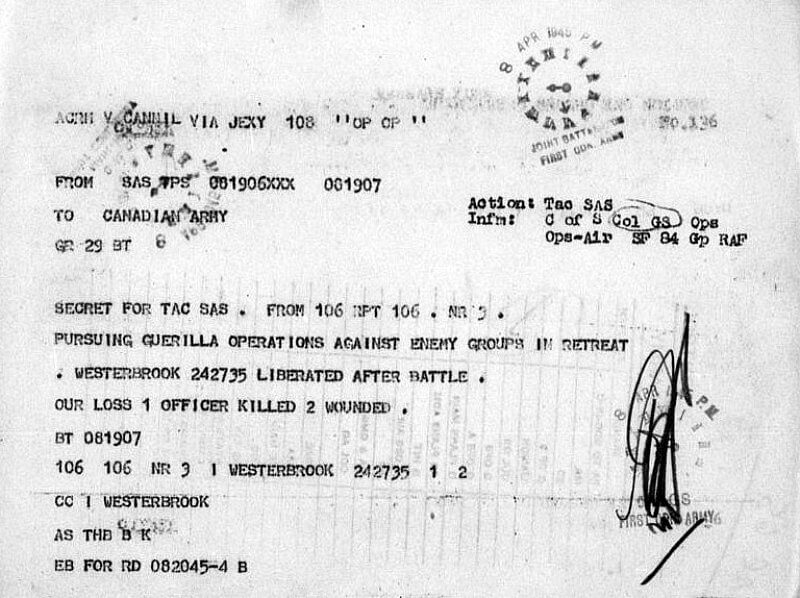
At 17:45 on April 8th, 1945, Puech-Samson transmits a message to main Special Air Service Headquarters reporting that Westerbork has been taken. By the following day, April 9th, 1945, at 14:00, he is forced to report that the village has been lost to the enemy. German forces, searching in the wrong direction north of the village toward the Oranjekanaal under the mistaken impression that the French have broken through northward, do not find the Witteveen base camp. The French paratroopers continue hit-and-run operations in the area. Several prisoners are collected and held in the Witteveen school building. On April 9th, an ambush is set along the road from Westerbork to the Westerborker Bridge over the Oranjekanaal.
Puech-Samson, aware that other French Special Air Service sticks are operating north of the Oranjekanaal, attempts to organise a rendezvous with them. At 09:50 on April 9th, 1945, he signals main SAS Headquarters requesting that the sticks operating under the call signs Archivistes 30 through 35 send a liaison to the Westerborker Bridge at Zuidveld early the following morning. Whether this rendezvous succeeds is not recorded.
On April 10th, 1945, at 09:30, Puech-Samson reports to main Special Air Service Headquarters that he can hear what appear to be Allied tanks on the road between Zweelo and Wezeperbrug. Shortly afterwards, elements of the Polish Armoured Division reach Puech-Samson and his men at Witteveen.
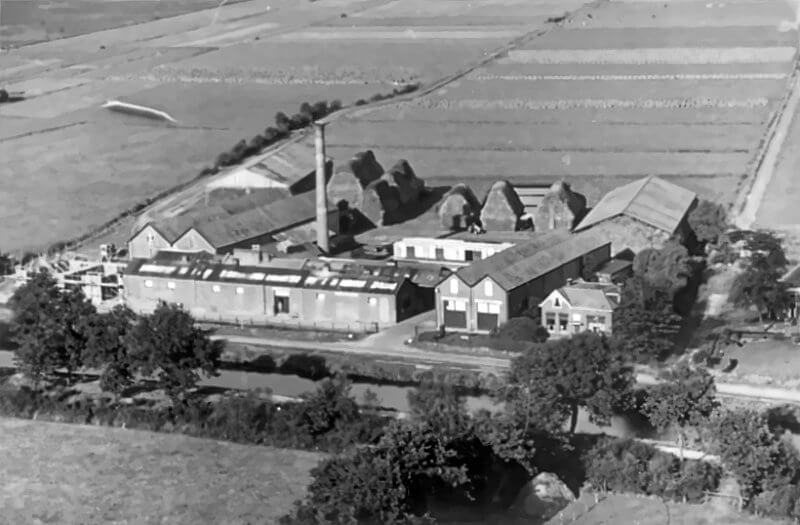
On April 11th, 1945, the French paratroopers are evacuated to the Tactical Special Air Service Brigade headquarters at Coevorden, arriving in the early afternoon. That same day the newly formed French jeep groups cross the Oranjekanaal at the sluice gate near the flax factory at Orvelte on an improvised bridge, carrying the fight north of the canal for the first time. The Orvelte crossing point lies within the Zone C area of operations, and the intelligence gathered by the Zone C sticks on the canal crossings and the German defensive dispositions contributes to making this crossing possible. The jeep groups themselves, however, are not Zone C formations. They draw on personnel from across the operation, including already-relieved French paratroopers and staff from Prendergast’s headquarters at Coevorden, and their actions are covered separately.
| Multimedia |
| Jeep Groups |
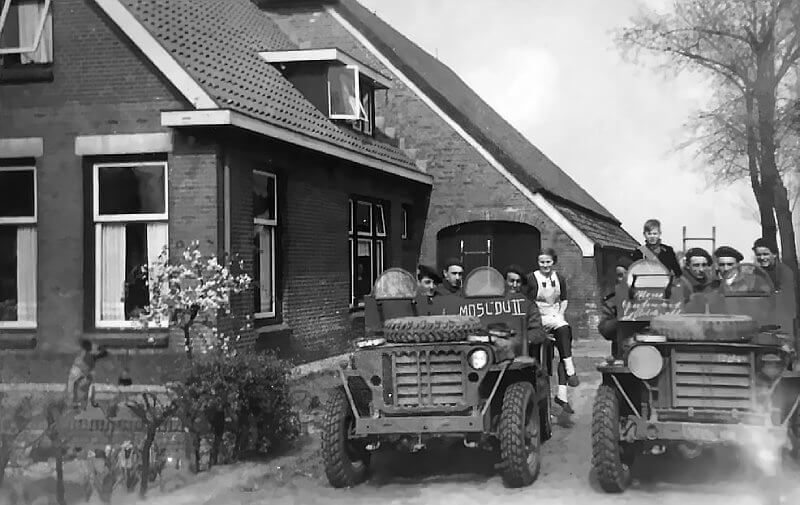
Three jeep groups belonging to the 2e Régiment de Chasseurs Parachutistes drop during Operation Amherst. Two of them, those of Larralde and Cochin, land west of the Rolde to Schoonloo road in the left half of their assigned drop zone. The Larralde group comprises twelve men. The Cochin group numbers fifteen. Each group’s three jeeps are to be guided in by light beacons set out on the ground by the jeep teams after landing, three white reception lights on one side and one flashing letter on the downwind side. As established earlier, the jeep drop is cancelled at the last minute on the night of April 7th to 8th due to low cloud and is definitively cancelled the following day. The message does not reach all teams in time.
The Larralde group under Captain Gualberto Larralde is transported by the Stirling with chalk number 25, dropping between 22:30 and 23:00 during the late evening of April 7th, 1945, over Drop Zone 8. Sixteen paratroopers are crammed into the aircraft. The twelve men of the Larralde group share the plane with the four-man Jedburgh team tasked with establishing liaison with the Dutch resistance, comprising two Dutchmen and two British officers. Larralde is informed aboard the aircraft that the jeeps will not be dropped that night.
The jump goes badly. The men are scattered across a wide area. On the ground, 2nd Lieutenant Jack Quillet manages to gather only seven men, two of them injured on landing. Private Pierre Cazenave, making his first jump, tears the ligaments in his knee and breaks a finger. Private Lignier sprains his ankle. Captain Larralde and four men are missing. No supply containers can be found. Quillet establishes his position from information given by residents of a nearby farmhouse, placing the group approximately four kilometres from the designated drop zone. The residents are friendly but refuse to take in the wounded, citing the risk to themselves. On their advice the group moves into nearby forests, where they conceal themselves from enemy patrols that actively comb the area during daylight hours and at times come uncomfortably close. An attempt to move further south fails due to swampy terrain and numerous canals.
The group adopts a purely defensive posture given its lack of weapons, ammunition, and food. On April 10th, 1945, the decision is taken to move south to meet the approaching ground forces, leaving the two wounded men behind. The group reaches the Oranjekanaal but cannot cross. The bridges are guarded. An attempt to swim the canal is abandoned when a German challenge is shouted from the bank. A second attempt 500 metres further along draws immediate fire without warning. After a brief exchange the group withdraws to the forest. On April 12th, 1945, the group, including the two injured men who have been collected along the way, encounters the jeeps of Captain Mouillié’s group near the Werklust Farm on the Halerweg west of Elp. The jeeps are reconnoitring westward toward Hooghalen from the lock near the flax factory at Orvelte.
The stick of Lieutenant Denys François Cochin, a jeep group of fifteen men, is transported by the Stirling with chalk number 29 and drops between 22:30 and 23:00 on the night of April 7th to 8th, 1945, over Drop Zone 23, south of Rolde near the settlement of Nooitgedacht. The landing is widely scattered. Cochin gathers only five men around him. Several members of the stick land far from the main group and are unable to make contact. Henri Bousquet, Pierre Pacifici, Georges Mahé, and Antoine Treiss separate from the unit entirely. Treiss and Mahé eventually join the De Camaret stick. Two others, Angel Zelic and Louis Masserot, become isolated near Elp. Private Jean Loeillet is found by German soldiers hanging helplessly from a tree by his parachute near Elp and is taken prisoner. He is escorted to Hooghalen and transferred to the prison at Assen, where he is shot by his captors on April 10th, 1945.
Unaware that the jeep drop has been cancelled, Cochin keeps his three reception lights and the letter N burning until 03:00 on the morning of April 8th, 1945, before concealing his small group in the forest near Grolloo. The following night he returns to the drop zone and waits again. The aircraft do not appear. On April 9th, 1945, an ambush is laid without result. Later the group is discovered and attacked by what they identify as an SS patrol. On April 10th, Cochin reconnoitres the village of Grolloo and finds it clear of the enemy. He has several skirmishes with enemy patrols that day, engaging an isolated group of approximately fifteen German soldiers and later a cyclist patrol of eight or nine men. At some point Cochin makes contact with members of the De Camaret stick, who have moved north to evade the enemy following an earlier encounter at the flax factory. Confirmed losses inflicted by the Cochin group amount to six enemy killed, three prisoners taken, and a further eight men possibly killed or wounded.
The stick of Lieutenant Michel Leblond is transported by the Stirling with chalk number 5 and drops between 22:30 and 23:00 on the night of April 7th to 8th, 1945, over Drop Zone 3, the same drop zone assigned to the Nicol stick, which as already established lands far off target near Hoogeveen. On April 8th, 1945, the Leblond stick makes contact with the Cochin group, which has assembled less than half its strength after the scattered landing. Leblond then moves south toward the Oranjekanaal with the intention of crossing by barge, but finds the canal banks alive with hostile patrols. A clash with German sentries, immediately reinforced by a bicycle patrol, forces the French to disengage and retire through the forests toward Elp. On April 10th, 1945, an ambush is laid on the road connecting Elp with Schoonloo.
On April 11th, 1945, contact is made with the De Camaret stick near Elp. Sergeant Zelic and two other members of the dispersed Cochin stick, who have been unable to rejoin their own unit, attach themselves to Leblond. The combined group takes up defensive positions at Elp, consolidating the French hold on the village, which has just been seized by the De Camaret stick. Later that day contact is made with the jeep groups that have crossed the Oranjekanaal at the lock gate near the flax factory at Orvelte.
A third jeep group, that of Lagèze, is assigned to Drop Zone 3 in the Zwiggelter Veld area but fails to take off on April 8th, 1945, due to a technical breakdown of its transport aircraft. The group drops the following night and lands near Smilde, southwest of Assen.
| Multimedia |
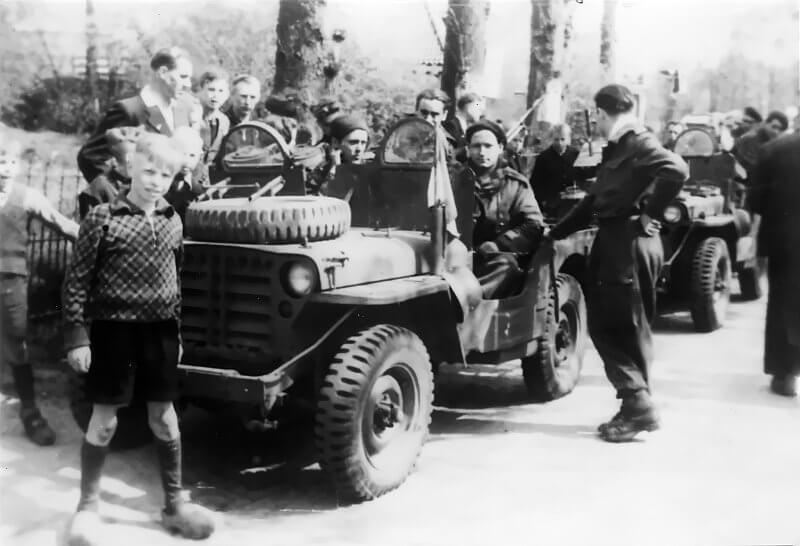
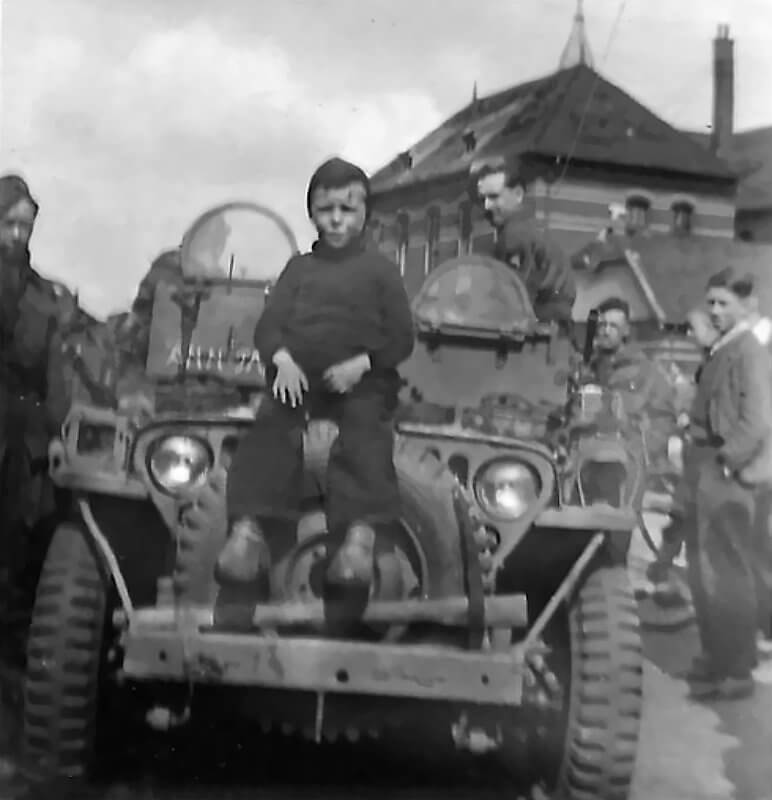
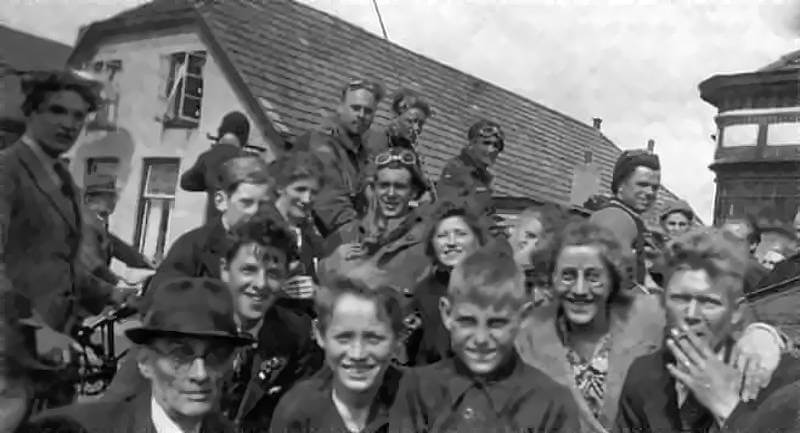
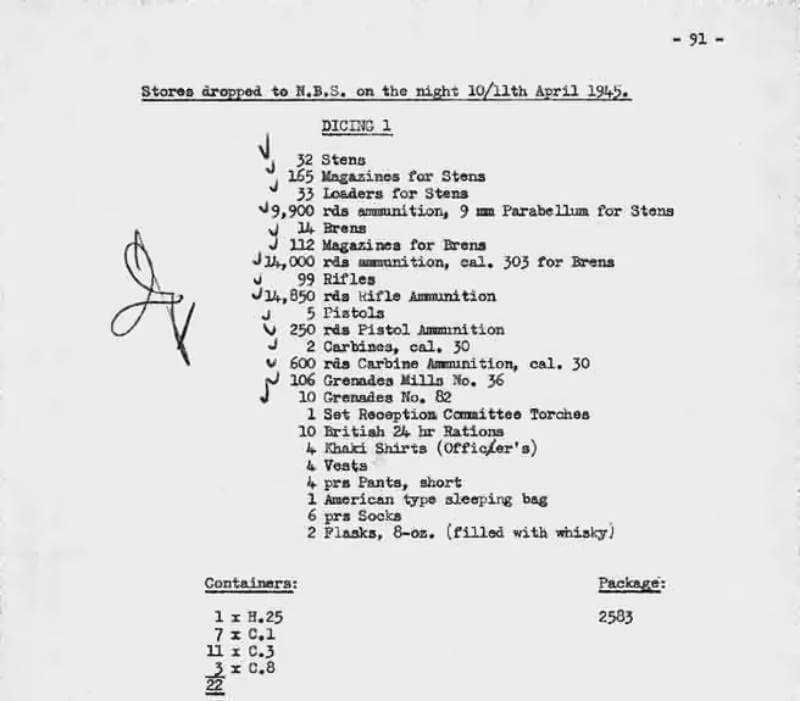
| Zone C, Jedburgh Team Dicing |
On April 3rd, 1945, teams Gambling and Dicing are notified that they will be parachuted over the Netherlands that night. All members are to wear military uniform during the drop but carry civilian clothes with them. Each Jedburgh receives five thousand guilders as operational money. The Dutch officers receive forged identity tags and a cover story. If captured, they are to present themselves as British officers. The risk for a Dutchman taken prisoner without this cover is execution as an illegitimate combatant under German policy toward special forces personnel.
Gambling’s insertion takes place in the early hours of April 4th, 1945, around 00:45, with the team dropping near Appel, a settlement lying to the east of Amersfoort. Jedburgh Team Dicing is put on hold. Every member of Gambling reaches the ground without incident, together with a substantial number of supply containers. Once the drop zone has been cleared, the group makes its way to a resistance hideout in the Veluwe region. There they are joined by Kruyff, the commanding officer of the Veluwe Binnenlandse Strijdkrachten, who comes to greet the newly arrived agents. He informs them that roughly 300 armed fighters are under his leadership, though none have undergone formal military training. Kruyff also maintains a functioning telephone network with a direct connection to First Canadian Army headquarters, and puts the German troop presence along the Apeldoorn Canal at around 4,000 soldiers, intelligence that is promptly forwarded to Special Forces Headquarters in Great Britain.
In the same transmission, team Gambling warns headquarters that the heavy German presence in the region makes movement in military dress all but impossible. That same day, word reaches the Jedburghs that team Dicing had been unable to exit its aircraft the previous evening. Kruyff uncovers the explanation: German forces had occupied Dicing’s designated drop zone at the eleventh hour, compelling the reception committee to abandon the location. Headquarters then asks team Gambling to scout out an alternative landing site for Dicing.
Kruyff, Captain Stuart, and Lieutenant De Stoppelaar Blijdestein set out together on bicycles, dressed in civilian clothes, heading toward Apeldoorn to survey the surroundings and identify a viable drop zone for the Keystone forces near the canal. All three subsequently go silent. That night, the team receives word that Stuart and his companions were intercepted by German soldiers and had their bicycles seized. De Stoppelaar Blijdestein manages to reach a safe house in Apeldoorn but has no information on the whereabouts of the others. With Stuart and Kruyff’s status unknown, and the wireless set unusable from their current location, the team relocates to an abandoned factory on the outskirts of Barneveld. Contact with both men is re-established the next day.
By April 5th, 1945, Kruyff has yet to identify a viable landing area close to the Apeldoorn Canal. De Stoppelaar Blijdestein, however, has had better luck. He pinpoints a suitable stretch of terrain to the east of Uddel, roughly ten kilometres outside Apeldoorn, which is assigned the codename Fox. A second potential site near Putten, some thirty kilometres from Apeldoorn, is also reported to headquarters under the codename Napier. Team Gambling additionally notifies London that every major bridge in and around Apeldoorn has been wired for demolition by the Germans, while smaller crossings remain intact. In response, headquarters promises supply deliveries to the resistance over the nights ahead. That said, Napier is judged to be too distant from the Apeldoorn Canal for Special Air Service units to reach the bridges in time. Headquarters floats the idea of a blind drop closer to the bridges themselves, but team Gambling pushes back, arguing that Fox is the stronger candidate, not least because it can accommodate jeeps.
Shortly thereafter, headquarters reverses its position and accepts Napier as a workable location for Keystone after all. The operation is slated for the night of April 10th to 11th, or the following night. Headquarters also notifies team Gambling that further Special Air Service assets are on standby to support reconnaissance efforts in the area. The team’s response is clear: additional personnel are not required, conditions on the ground are already perilous enough. The Special Air Service concurs. Headquarters then drops the plan to deploy team Dicing under the Keystone operation, though the team is almost immediately redirected to a new assignment: Operation Amherst, in the province of Drenthe.
Team Dicing eventually drops over Drenthe on the night of April 7th to 8th, 1945, assigned to an aircraft carrying Jeep Group 21 of Captain Larralde to the Netherlands. Weather conditions are exceptionally bad. Heavy cloud, strong wind, and thick ground fog combine with an inexperienced jumpmaster who drops the team too slowly, scattering the four members widely and depositing them in the wrong area.
Major Harcourt lands and locates some of the team’s supply containers but cannot find his teammates. He heads south and discovers Captain Bestebreurtje lying on the ground, unable to move. Bestebreurtje has landed badly, severely injuring his right ankle and knee. As he leaves the aircraft his leg bag rope swings around his neck, and he spends the entire descent attempting to free himself, finally succeeding only at the moment of impact with the ground. Harcourt moves Bestebreurtje to nearby woodland and goes to find a better hiding place for his injured colleague. In the early hours of April 8th, 1945, enemy patrols are everywhere. No farm or building can be reached before daylight. Harcourt moves Bestebreurtje to the densest part of the woods, conceals the container traces as best he can, and continues reconnoitring. He comes close to detection on several occasions, a German soldier passing within a few metres of him in the forest. Eventually, at approximately 14:30 on April 8th, 1945, Harcourt is cornered and captured. He barely escapes execution twice during his captivity. He is eventually transported to a camp near Bremen and liberated by Allied forces at the end of April 1945.
Captain Ruysch van Dugteren lands in an overgrown patch of woodland but loses his leg bag on exit from the aircraft. After searching unsuccessfully for his teammates for several hours, he moves out to establish contact with the local resistance. At approximately 06:00 on April 8th, 1945, he makes contact with Teun Leever, local gamekeeper and resistance leader in the village of Amen. Leever brings him to a hiding place in nearby woods before setting out to locate the other Jedburghs and the team’s containers. At approximately 10:00, Leever returns with Sergeant Somers, who has been hiding in heathland bushes several kilometres away. Somers has also lost his leg bag, which contains his radio transmitter. Leever has located several of the team’s supply packages. Shortly afterwards, approximately forty members of the Grüne Polizei (Gestapo) enter the woods where Ruysch van Dugteren is hiding. By chance they do not find him. Unaware that Harcourt has already been captured, Ruysch van Dugteren sends Leever to look for the British major. At approximately 17:00, Leever returns with alarming news. Approximately eighty Germans with search dogs are closing in. Ruysch van Dugteren moves deeper into the forest. Leever circles the perimeter with a female dog in heat, drawing the German tracking dogs’ attention away from the hidden Jedburgh. The stratagem works. Ruysch van Dugteren is not found. That evening Leever reunites Somers and Ruysch van Dugteren and brings them to a nearby shelter with food and blankets. The Germans discover most of the supply packages Leever has concealed during the day but miss one basket containing an additional radio transmitter.
On the morning of April 9th, 1945, Somers attempts to reach Special Forces Headquarters through an emergency frequency without success. That afternoon he transmits a message requesting an urgent supply drop, reporting all equipment lost and no contact with Harcourt, and giving the drop zone coordinates. The drop zone receives the codename Joyce. Leever assembles a reception committee of approximately twenty resistance members for the following night. That evening Ruysch van Dugteren learns that thirteen French SAS soldiers have been captured by the Germans. Heavy fighting is audible to the northeast. The sound of German demolitions along the Oranjekanaal carries across the flat landscape.
The supply drop takes place on the night of April 10th to 11th, 1945. An Allied aircraft arrives precisely at 23:00 and drops twenty-two supply containers. Three open in the air and some weapons are damaged or bent. By approximately 05:00 all containers and scattered weapons are collected and concealed. The resistance now has approximately a hundred machine guns and rifles and a similar number of hand grenades at their disposal. A consignment is immediately transported to Assen by horse and cart, hidden beneath straw. Ruysch van Dugteren and Somers begin instructing resistance members in the use of the weapons. Leever and two colleagues remain at the drop zone until daylight to erase all traces. Resistance members trained in the quick session return to Assen to guard two important bridges and prevent the Germans from destroying the city’s telephone exchange.
On April 11th, 1945, resistance members instructed by the Jedburghs strew roads with small mines and attack isolated German positions. The number of active fighters in the area is small but those present conduct themselves effectively, causing delay and difficulty for retreating German columns. The Jedburghs report to Headquarters that the main road to Assen remains in German hands. That night Ruysch van Dugteren covers the approaches to the city with a group of resistance fighters, engaging German forces with Bren machine guns.
On April 12th, 1945, Leever leads local resistance fighters against isolated German positions around Hooghalen. Ruysch van Dugteren learns through rumour that Harcourt has been arrested. Intelligence from local contacts indicates that the safest approach to Assen is through the villages of Ekehaar and Rolde to the southwest, as the Germans are expecting the Allied attack to come directly from the south via Hooghalen. Ruysch van Dugteren moves south, crosses the lines, and makes contact with a Canadian reconnaissance unit, most likely belonging to the 4th Canadian Infantry Brigade, to whom he passes his intelligence on the approach routes. The Canadians act on the information. Heavy fighting erupts in Hooghalen. The Germans destroy the bridges over the Oranjekanaal before withdrawing. By approximately 17:30 Hooghalen is liberated. Ruysch van Dugteren captures his first Germans of the operation, an officer and his orderly hiding in a ditch. The town and transit camp of Westerbork are also liberated that day. Ruysch van Dugteren is among the first to enter the camp, where he finds approximately 800 survivors in extreme distress.
Captain Bestebreurtje spends two days hiding in woodland near Hooghalen before his injury forces him to seek civilian help. He crawls to a nearby farm approximately one kilometre from the village and is taken in by farmer Jan Schutten and his family, who conceal and care for him in the days that follow. On the evening of April 12th, the first Canadian ground troops reach the edge of Assen, beginning the assault on the city. That very same day, Canadian forces reach Captain Bestebreurtje position. It’s his birthday. He is moved to Nijmegen the following day and admitted to the 1st Canadian General Hospital.
On the evening of April 12th, a Canadian brigade reaches the outskirts of Groningen. Heavy street fighting follows over the next several days, with German snipers causing significant difficulties.
On the morning of April 13th, 1945, Ruysch van Dugteren moves to Assen with several men to support the resistance fighters operating inside the city. By Friday morning all German forces are driven out. The local resistance seizes two of the city’s bridges, including the Groninger Bridge, both vital for the Allied advance toward Groningen. In a remarkable piece of covert action, the Assen telephone exchange is also saved. A German officer tasked with its demolition is persuaded by the Dutch underground to abandon the assignment and is quietly waiting in civilian clothing when Canadian Field Security personnel arrive.
Ruysch van Dugteren arrives in Groningen on April 13th and works alongside the local resistance, whose fighters snipe German positions and guide Allied forces through the city. Ruysch van Dugteren also seizes one of Reichskommissar Seyss-Inquart’s official vehicles, an armour-plated Mercedes-Benz. By April 16th, 1945, Groningen is completely in Allied hands.
On April 18th, 1945, Ruysch van Dugteren travels south to report to the Special Forces Detachment at Canadian field headquarters and from there to Prince Bernhard’s headquarters. Somers, who has remained in Assen, leaves the province at approximately the same time. Somers is briefly arrested by military police at ‘s-Hertogenbosch for being unable to identify himself. Special Forces Headquarters intervenes and secures his release. The following day both Somers and Ruysch van Dugteren are flown to London.
| Multimedia |
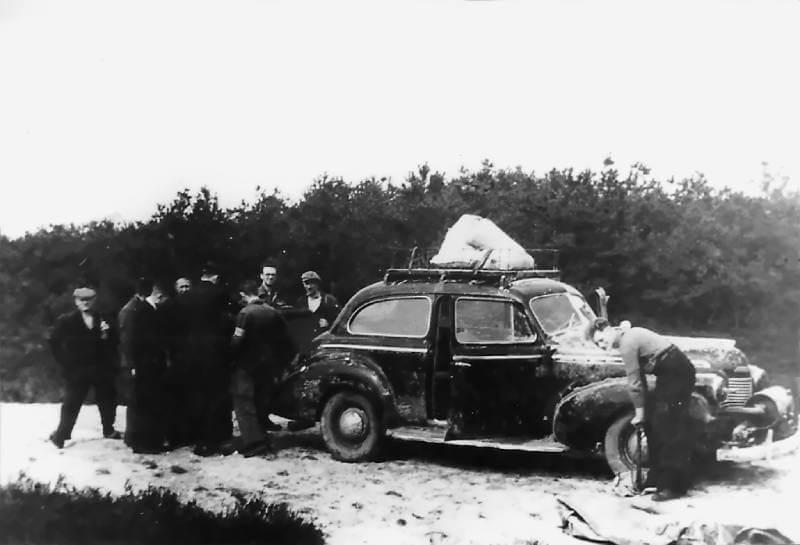
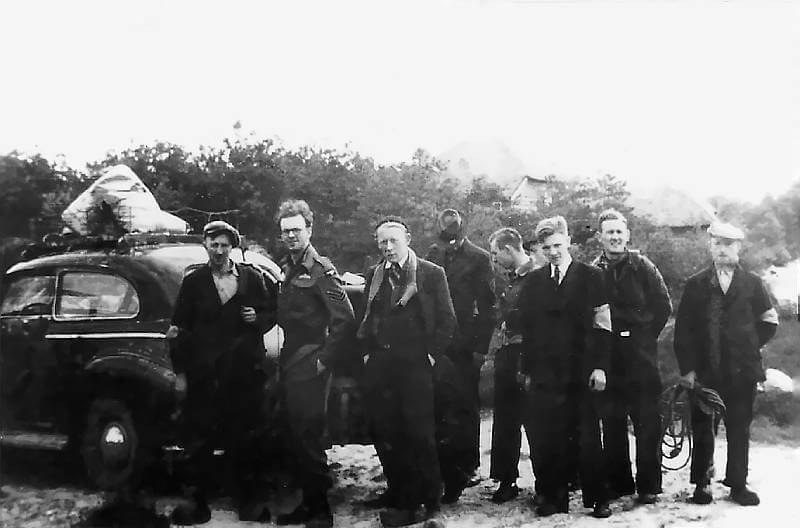
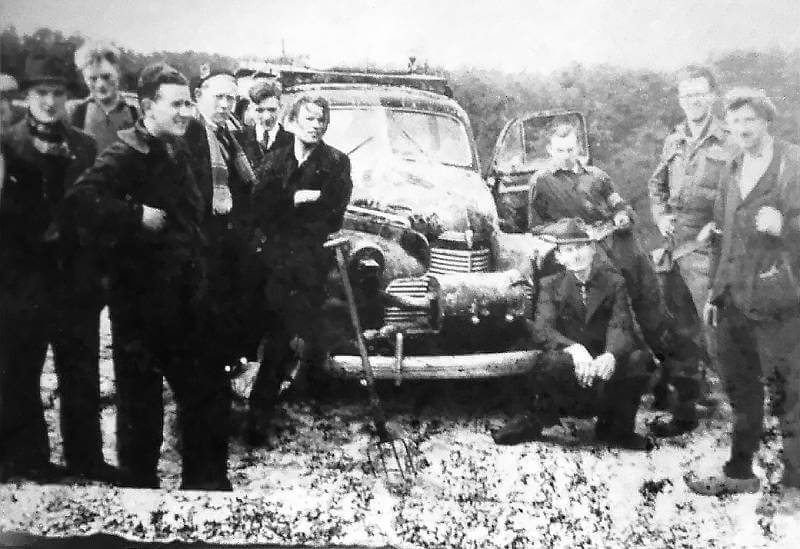
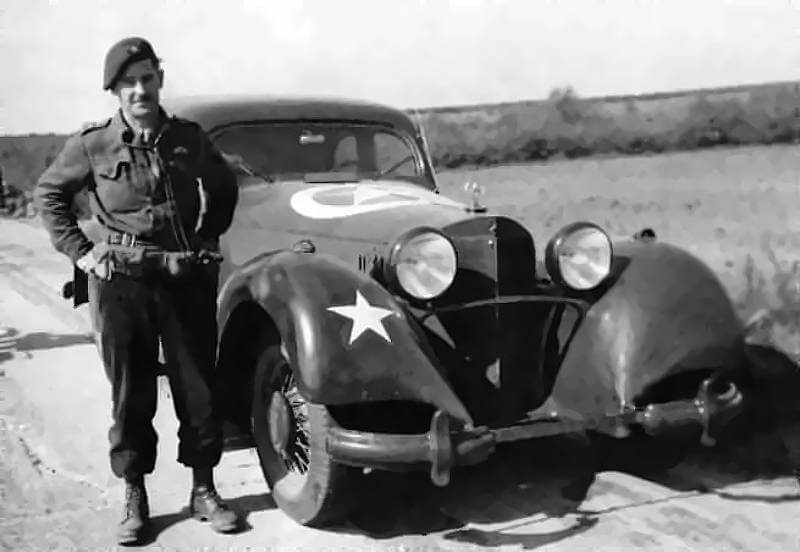
| 5th SAS and 1st Polish Armoured Division relieve |
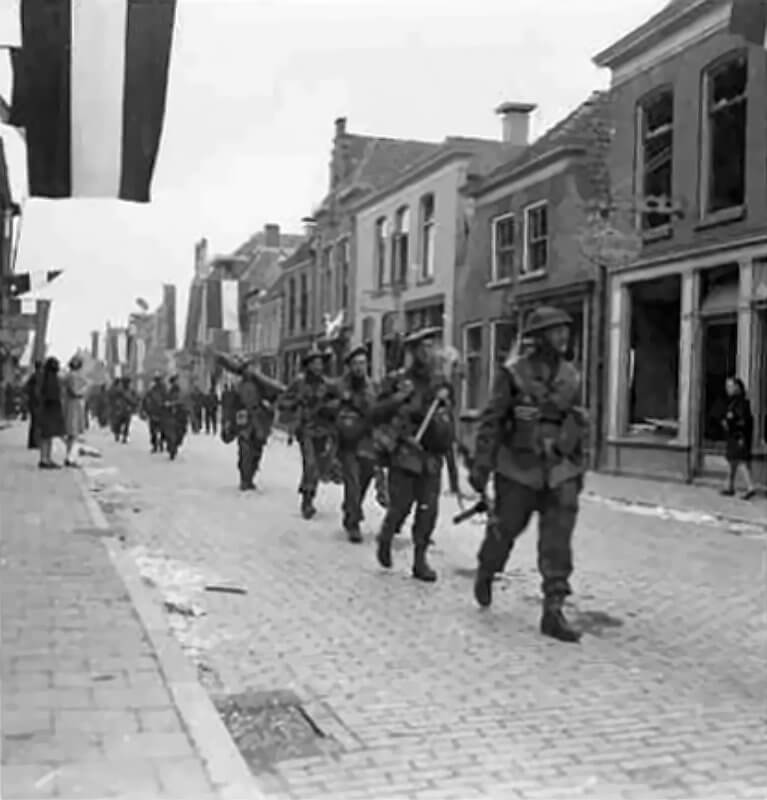
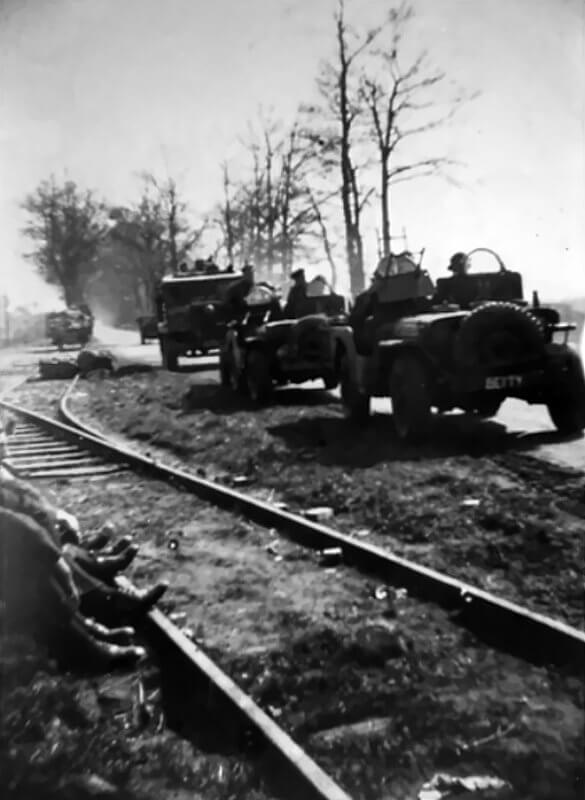
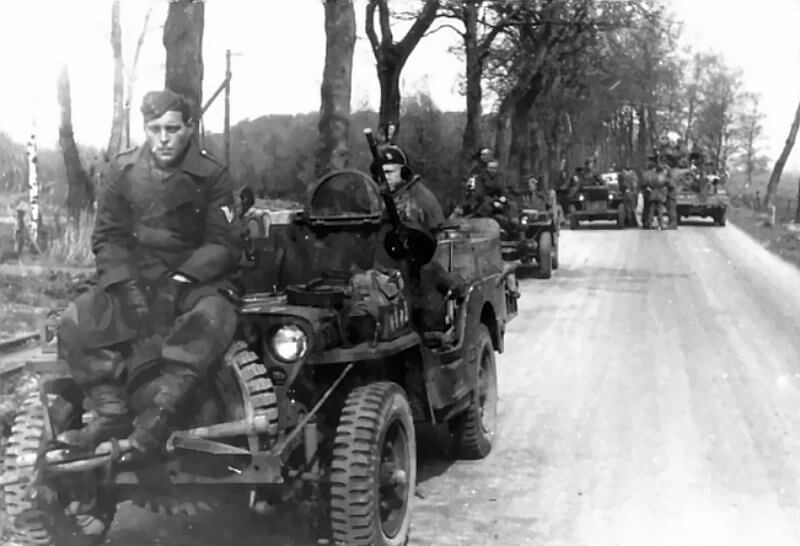
The liberation of Coevorden on April 6th, 1945, provides the forward base from which the relief of the Amherst forces is eventually organised. The town, the first in the Dutch province of Drenthe to be liberated, is seized by A Company of the Lake Superior Regiment, part of the 4th Canadian Armoured Division, which has been diverted from the main divisional axis toward Meppen on the River Ems. As A Company approaches Coevorden, the German garrison, estimated at approximately 300 men, demolishes the bridges leading into the town. In the ensuing firefight a Lake Superior carrier is hit by a Panzerfaust and catches fire, killing two crew members and wounding five soldiers. The Canadians contain the garrison overnight. The following morning, April 6th, 1945, the main body of Germans abandons the town during the night and the remainder surrender without resistance.
On April 7th, 1945, the 5 Special Air Service Regiment, the Belgian squadron, commanded by Major Edouard Blondeel, takes over the defence of Coevorden from the Canadians. The Belgian battalion comprises fourteen officers and 254 men, organised in two squadrons each of approximately twenty armoured jeeps, with an assault troop of forty men carried in fifteen-hundredweight trucks. The Belgian mission is to secure the left flank of the Canadian armour still advancing toward Meppen and, as a secondary task, to assist the Amherst forces where possible. The Belgians establish a defensive perimeter in a semicircle around Coevorden, running from north to west and southwest, and send jeep patrols in all directions over the following days, reaching as far as Hardenberg, Dedemsvaart, and the eastern outskirts of Hoogeveen. In the process they liberate the villages of Nieuwlande, Elim, Nieuw-Moscou, Hollandscheveld, Nieuweroord, Krakeel, and Noordscheschut.
The 1st Polish Armoured Division, under Generał Stanisław Maczek, receives orders to join the advance of the 2nd Canadian Corps, operating on the left of the 4th Canadian Armoured Division and filling the growing gap between that formation and the 2nd Canadian Infantry Division. The Poles are in a reserve position south of the Rhine near Breda when the orders arrive. In the early hours of April 8th, 1945, the division sets out on a journey of approximately 180 kilometres to Coevorden. A column of no fewer than 3,000 vehicles takes eighteen hours to reach its concentration area in the region of Goor and Borculo. The vanguard, the 10th Dragoons, the motorised infantry battalion of the 10th Armoured Brigade, arrives at Coevorden on April 9th, 1945. The division completes its movement on April 10th and from that day takes command of the sector, with the Belgian 5 Special Air Service placed under Polish command.
A significant Belgian success occurs on April 9th, 1945, when the Belgians attack and seize the bridge at Oosterhesselen across the Verlengde Hoogeveensche Vaart intact, supported by six Polish Bren carriers. A firm bridgehead is immediately established, which will serve as a sally port for subsequent Polish operations. That afternoon a patrol of three armoured jeeps and a motorcycle of A Squadron, 5 Special Air Service, moves from Oosterhesselen to make contact with the French paratroopers at Witteveen. The patrol reaches the Witteveen woodland without incident and learns that the French have lost three men killed and one wounded in the attack on the German headquarters at Westerbork, and that the village is held by approximately 100 enemy. The French require no immediate assistance. On the return journey the Belgian patrol clashes with German Fallschirmjäger. The Germans withdraw after a short firefight, but Trooper Becket is wounded, one jeep is knocked out, and the motorcycle is destroyed. The Belgians report that they cannot relieve the French Special Air Service independently and require Polish support.
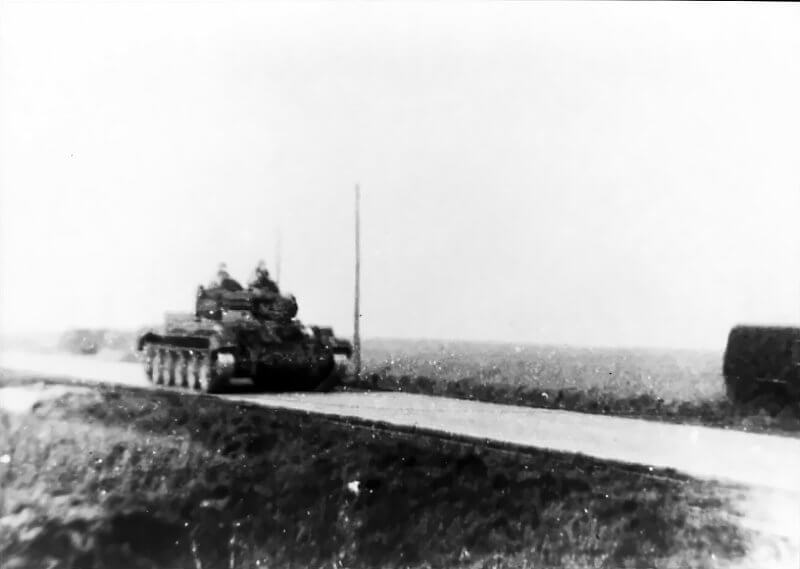
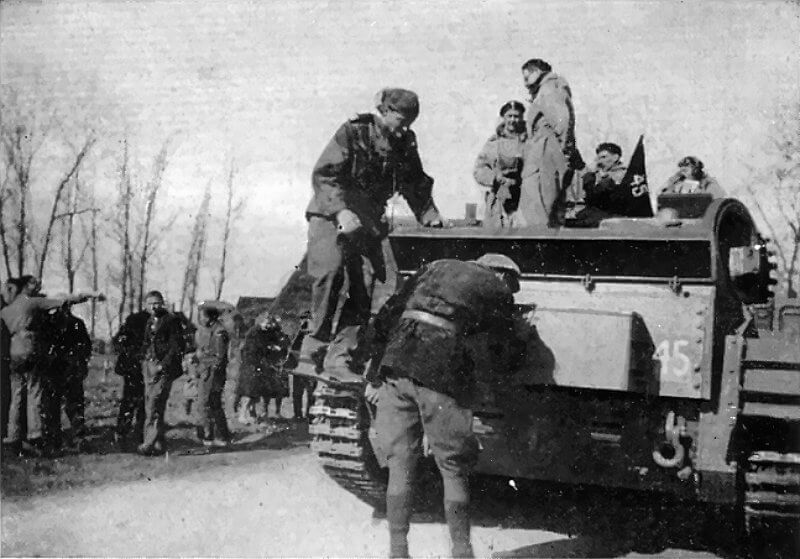
In the early hours of April 10th, 1945, the 1st Polish Armoured Division crosses the bridge at Oosterhesselen and pushes northeast toward Emmen. In response to the Belgian request for assistance, a Polish armoured reconnaissance force comprising elements of the 10th Mounted Rifle Regiment, a reconnaissance unit equipped with Cromwell tanks, supported by motorised infantry of the 10th Dragoon Regiment, is diverted north to locate the bridges over the Oranjekanaal at Orvelte and Westerbork and link up with the Special Air Service troops. By 10:45 on April 10th, 1945, the Poles establish contact with Puech-Samson’s paratroopers at Witteveen. By 13:00 they reach the Oranjekanaal. Both bridges, at Orvelte and at Westerbork, are found destroyed. A Polish foot patrol crosses the canal at the Westerborker bridge site but is forced back after clashing with a German force armed with machine guns. Privates Turkowiak and Kosztubajda are killed in this encounter. The enemy is still present in strength north of the canal. By evening the Poles withdraw to Oosterhesselen.
On April 11th, 1945, a strong Belgian Special Air Service patrol under Thonard, comprising two jeep sections and two assault sections from B Squadron, 5 Special Air Service, accompanied by a medical section and an assault pioneer section, moves up to Orvelte and the Oranjekanaal. This force is reinforced by three ad hoc French Special Air Service jeep groups totalling seven vehicles, manned by French volunteers drawn from sticks already assembled at Coevorden and equipped with jeeps flown by Halifax aircraft to Gilze-Rijen airfield and driven overland to Coevorden on April 9th and 10th. The Belgian report states that two French jeep groups accompany the force. The French after-action report of the 2e Régiment de Chasseurs Parachutistes describes all three jeep groups operating north of the canal from April 11th. One jeep from the Nicol group crashes on the first day, leaving seven vehicles available.
The three French jeep groups are composed as follows. Jeep Group Mouillié operates two vehicles. Jeep number 1520332 carries Captain Mouillié, Sergeant Carry, and Sergeant Hentschke. Jeep number 5844134 carries 1st Sergeant Jacir, 1st Sergeant Barthélémy, and Sergeant Pacifici. Jeep Group Betbèze operates three vehicles. Jeep number 5538336 carries Captain Betbèze, Sergeant Carry, and Private Larboulette. Jeep number 4230250 carries Corporal Contet, Corporal Le Corre, and Private Gautray. Jeep number 5834315 carries 2nd Lieutenant Edmé, Private Thonnerieux, and Private Le Chevalier. Jeep Group Nicol operates three vehicles, one of which crashes on the first day. Jeep number 1529358 carries 2nd Lieutenant Nicol, 1st Corporal Le Normand, and Corporal Richert. Jeep number 4923892 carries 1st Sergeant Payen, 1st Sergeant Lalanne, and Private Bibault.
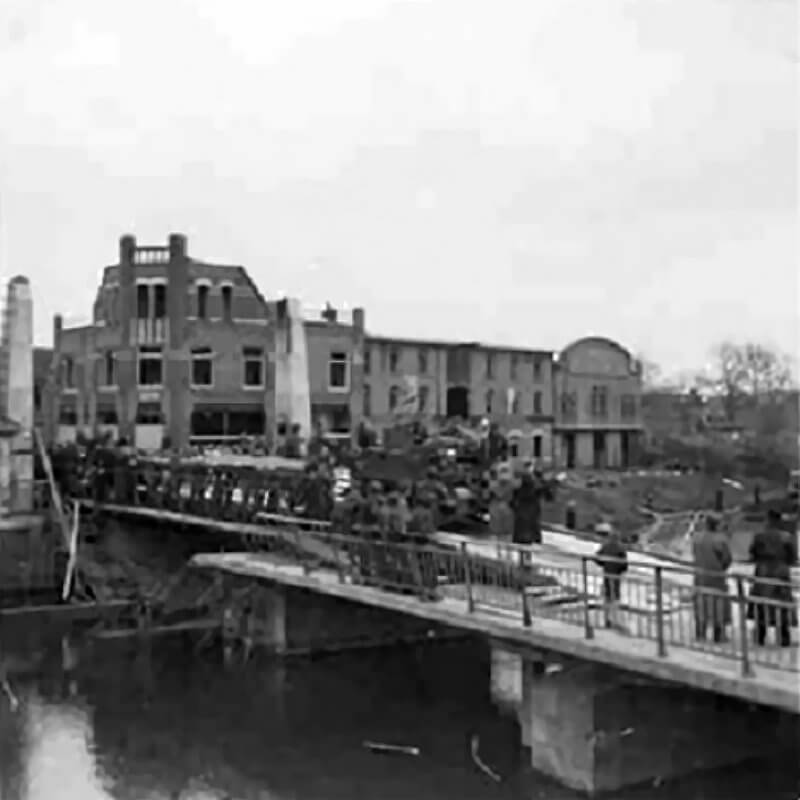
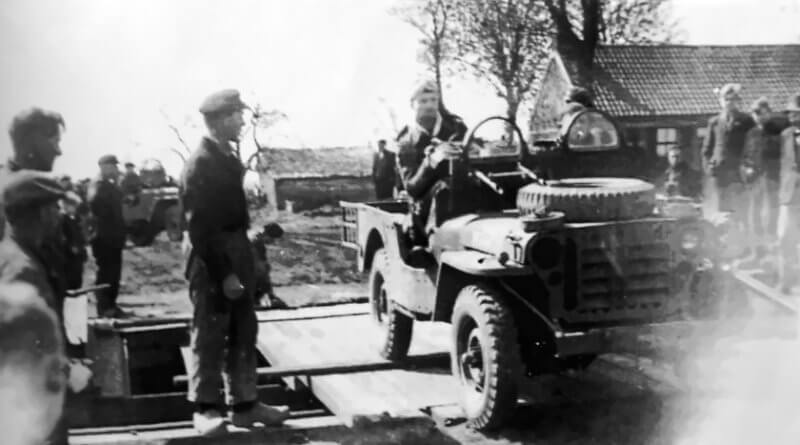
The combined force moves from Coevorden via Zweeloo to Witteveen and then to the canal bank opposite the flax factory near Orvelte. Thonard is informed that a force of French paratroopers under De Camaret is operating north of the canal near Elp. De Camaret has seized the village of Elp the previous day, April 10th, 1945, his strength growing as scattered paratroopers gather around his position. The bridges at Orvelte and Westerbork are destroyed. The crossing point at Westerbork is still guarded by enemy forces, as the Poles have discovered at cost the previous day. With the assistance of De Camaret’s men and the local population, an improvised crossing is constructed at the lock gate near the flax factory. A vessel moored near the Orvelter bridge is sailed into the lock. Beams from the flax factory are laid across it. The makeshift bridge holds and the jeeps cross.
North of the canal, no organised enemy resistance is encountered, though many German stragglers are found throughout the area. The two vehicles of Jeep Group Mouillié make contact with the French paratroopers at Elp, where De Camaret’s force has grown substantially through the arrival of remnants of the sticks of Leblond, Taylor, Varnier, Simon, Larralde, and Cochin. This combined force has already driven an enemy detachment of approximately sixty men out of Elp in the direction of Schoonloo. Jeep Group Mouillié probes forward toward Schoonloo in support. The Mouillié jeep runs into a German ambush. Sergeant Gilbert Hentschke, seriously wounded, keeps his Vickers machine guns firing long enough for the vehicle to disengage and return to Elp. One enemy prisoner is taken.
Belgian Special Air Service jeep patrols scout along the south bank of the Oranjekanaal from Orvelte westward toward Westerbork, which is now reported free of enemy. Beilen, the next town west of Westerbork, is found still firmly held by German forces. It falls to the 2nd Canadian Infantry Division on April 12th, 1945, after a stiff fight.
During April 11th, the paratroopers of the Puech-Samson, Betbèze, and Edme sticks are evacuated to Coevorden. Prendergast confirms the arrival of Puech-Samson at Coevorden at 14:00, closing down his wireless station. By 20:15 the Belgian jeeps return to Coevorden, having evacuated 52 French paratroopers. The number of prisoners taken has risen to 25, all identified as members of what appears to be the training battalion of the 8. Fallschirmjäger-Division. The French jeep groups remain at the Oranjekanaal lock at Orvelte and continue patrol operations over the following days in conjunction with Canadian reconnaissance troops of the 2nd Canadian Infantry Division operating from the Beilen area.
On the morning of April 12th, 1945, a small German patrol of three men approaching the Orvelte lock gate is intercepted by De Camaret’s men. All three, including a non-commissioned officer, are killed. The patrol is reported to have been on a mission to destroy the improvised bridge. Flamand questions this assessment, suggesting the soldiers, who have come from Beilen, may have been drunk and attempting to surrender to Allied forces. The question cannot be resolved from available sources.
That same day, Jeep Group Betbèze reconnoitres toward Schoonloo, Schoonoord, and Borger in search of French paratroopers still in the field, making contact with men of the sticks Gabaudan and Corta, who are under heavy enemy pressure in the Schoonloo forest. Four wounded French paratroopers and three prisoners are brought back. Jeep Group Nicol reconnoitres westward toward Annen and Hooghalen, taking two prisoners. At Orvelte, the medical officer provides first aid to six wounded French paratroopers before they are evacuated to Coevorden. Ten wounded prisoners are also treated. Jeep Group Mouillié deals with the remaining German post at the Westerborker bridge at Zuidveld, reconnoitres westward toward Halerbrug, and makes contact with 2nd Lieutenant Quillet of the Larralde stick near the Werklust farm on the Halerweg.
On April 13th, 1945, the Mouillié jeeps fan out to Westdorp and Rolde, making contact with the sticks of Gabaudan at Westdorp and Gramond, Legrand, Appriou, and Stéphan at Rolde, all of whom have regrouped at these villages after making contact with Allied ground forces.
In the period from April 11th to 13th, 1945, the three French jeep groups kill five enemy soldiers, wound or kill a further four to five, knock-out one staff car, and take 23 prisoners.
A broader consequence of the Belgian Special Air Service operations in this period concerns the liberation of Hoogeveen. On April 11th, A Squadron of the Belgian 5 Special Air Service reconnoitres as far as Hoogeveen and reports the town free of enemy, reaching it almost simultaneously with the leading elements of the 2nd Canadian Infantry Division. The question of who actually liberates Hoogeveen has not been definitively resolved and remains a matter of dispute between Belgian and Canadian accounts.
| Multimedia |
| Sources |