
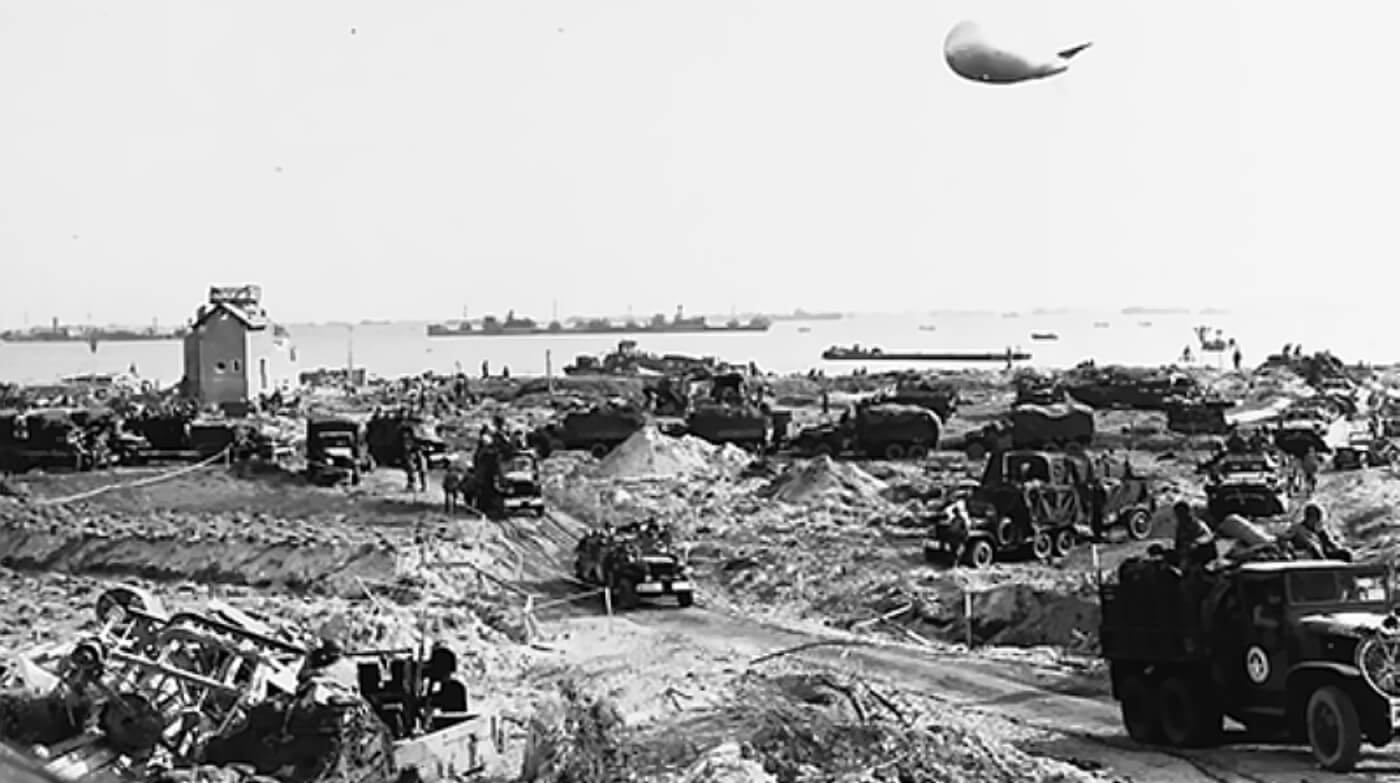

| Widerstandsnest 66 |
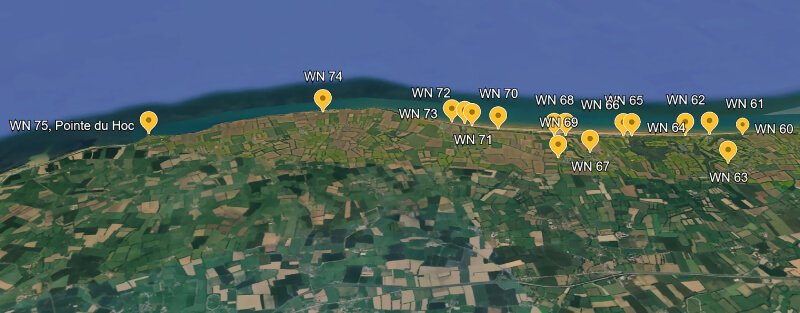 |
| Garrison |
| 20 – 30 men |
| Unit |
| Kompanie 10, Grenadier-Regiment 726, 716. Infanterie-Division (bodenständig) Kompanie 5, Grenadier-Regiment 916, 352. Infanterie-Division 15. Flugmelde-Reserve-Kompanie |
| Armament |
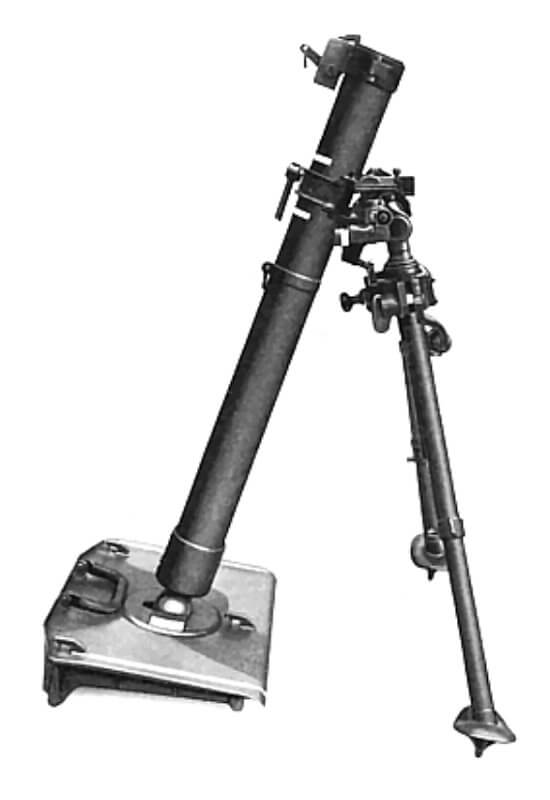
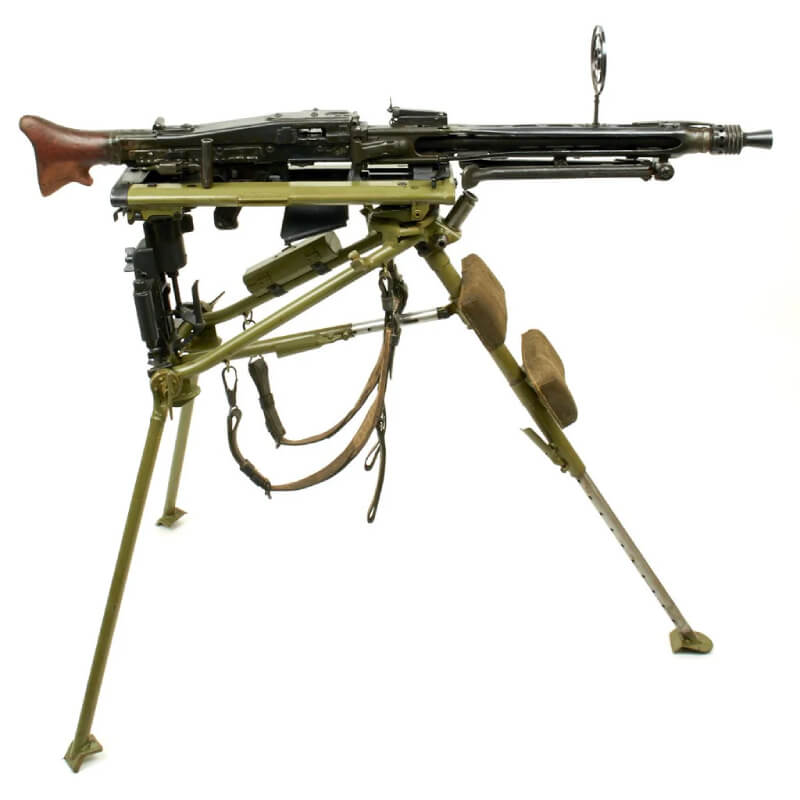
| * 5-centimetre PaK 38 * 5-centimetre KwK L/62 * 37-millimetre SA18 cannon and a coaxial 7.5-millimetre FM 31 machine gun * 2 Granatwerfer 34 * Maschinengewehr 34 * Maschinengewehr 42 |
Widerstandsnest 66 is a German defensive strongpoint located immediately east of the Les Moulins draw (D-3), near Saint-Laurent-sur-Mer. This draw forms one of the few natural breaks in the coastal bluffs at Omaha Beach, making it a vital inland route from the shoreline. Widerstandsnest 66 occupies the eastern slope of the draw and is constructed to block movement through this exit. Its fortifications reflect the German rush to strengthen the Atlantic Wall in the months leading up to the Allied invasion.
| Multimedia |
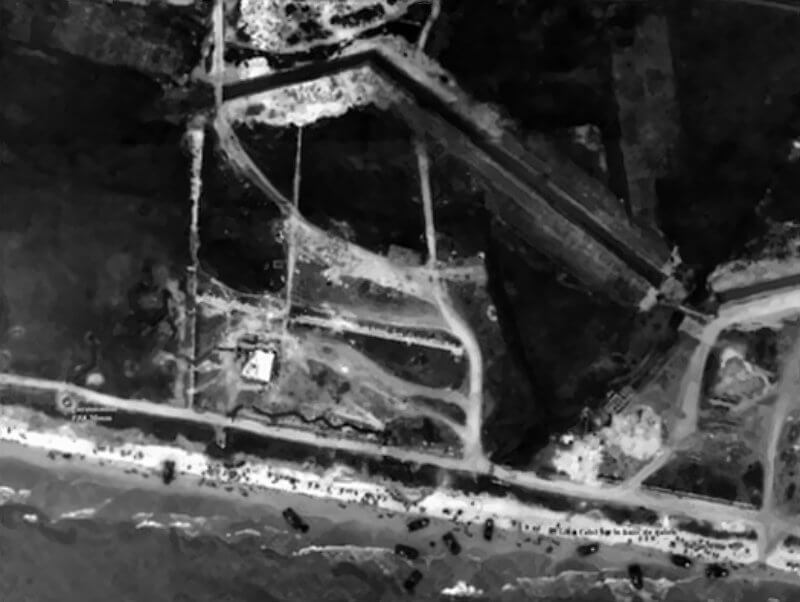
| Construction and Layout of Widerstandsnest 66 |
By June 1944, Widerstandsnest 66 is still under construction. Several elements are incomplete, but the layout already incorporates reinforced concrete, steel structures, and interconnected fieldworks. The position is sited to take advantage of the high ground, with defences positioned both on the bluff top and the seaward slope. This arrangement provides clear fields of fire along the beach, into the draw, and across the valley road leading inland.
At least four bunkers are under construction at Widerstandsnest 66 by early June. One is completed, a small concrete infantry bunker with two firing embrasures. This structure sits on the eastern bluff edge, with its apertures facing south and west. Its purpose is to sweep the beach road and draw exit with machine-gun fire. Other planned defensive structures include two gun casemates, one intended to fire east along the beach, the other west, but neither is operational on D-Day.
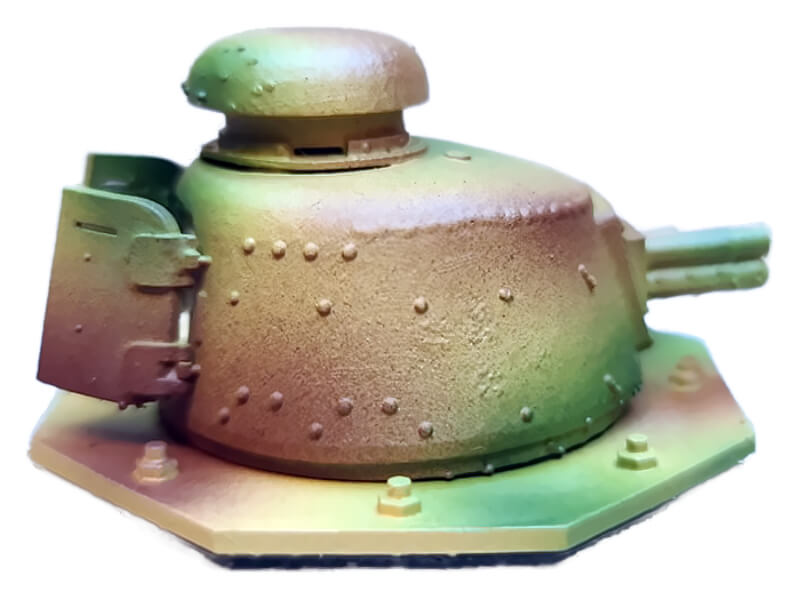
Another unfinished bunker is designed for a 5-centimetre anti-tank gun. Its embrasures are built to fire in both directions along the beach, but construction is not completed in time for the invasion. A circular Tobruk pit is prepared to hold a fixed turret from a Renault tank. However, the turret remains on a transport truck on June 6th, 1944, and is never installed.
Despite the incomplete casemates, Widerstandsnest 66 does include a network of zigzag trenches linking the defensive positions. These trenches are built with timber, steel, and earth revetments, allowing defenders to move under cover and shift between fire positions quickly. Some serve as rifle and machine-gun firing trenches, covering approaches from the beach, the slopes, and the valley draw.
In addition to bunkers and trenches, several field shelters and open fighting positions are present. These provide basic cover for the garrison under bombardment. The strongpoint also includes elements of both permanent fortification types, such as Regelbau casemates, and reinforced fieldworks (Verstärkt Feldmäßige, or Vf-type). This combination reflects the hurried and piecemeal nature of Widerstandsnest 66’s construction during the final weeks before D-Day.
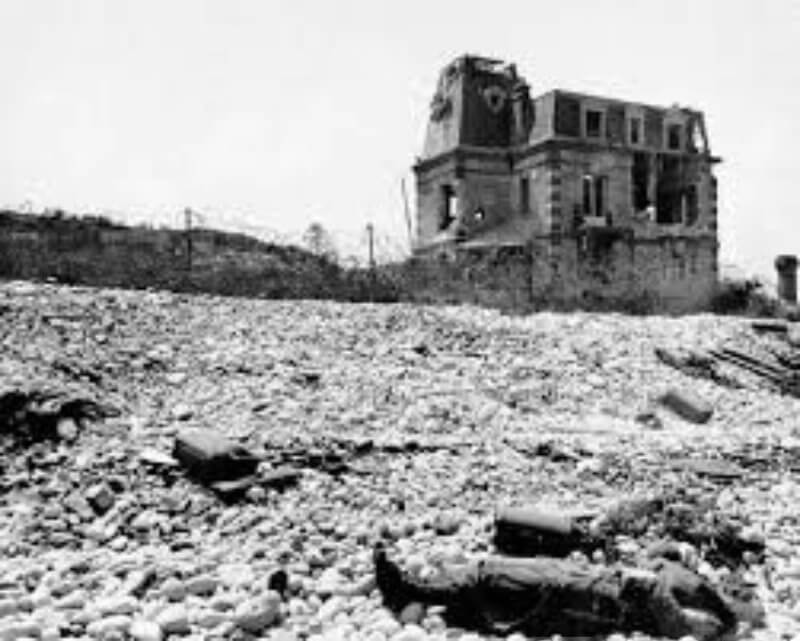
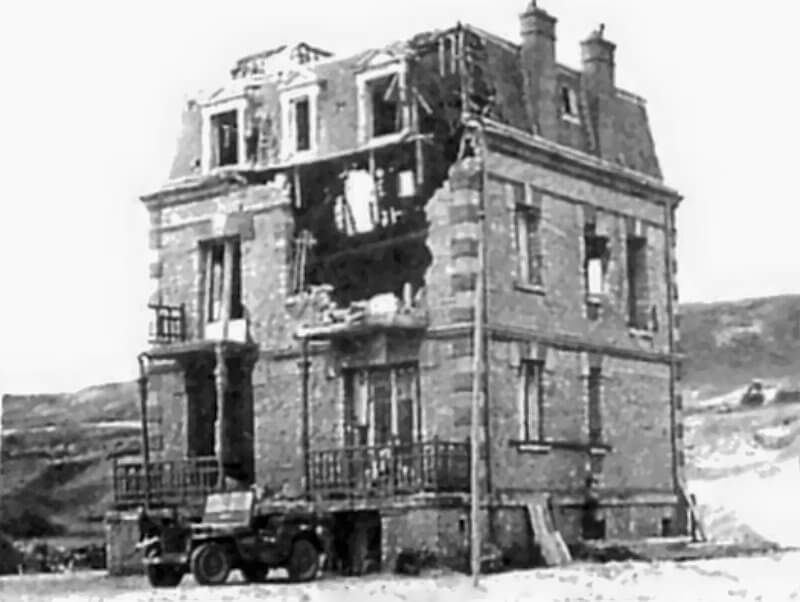
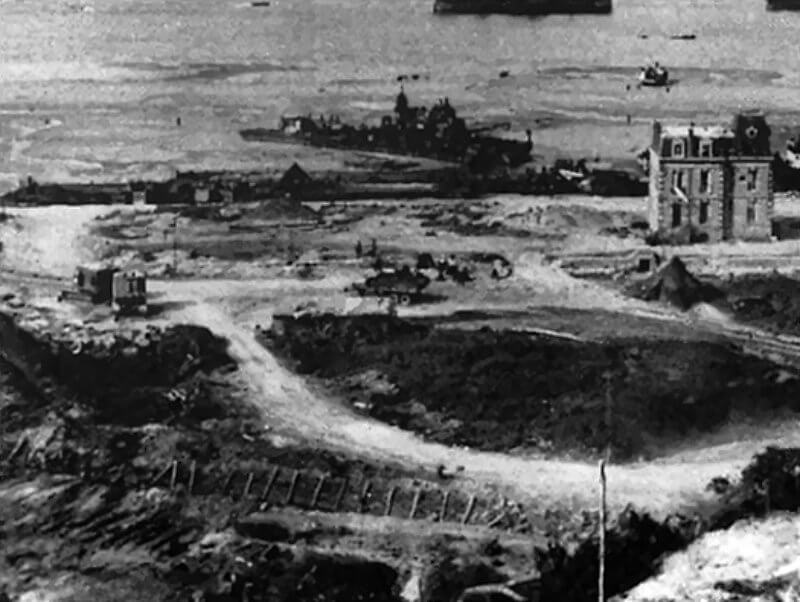
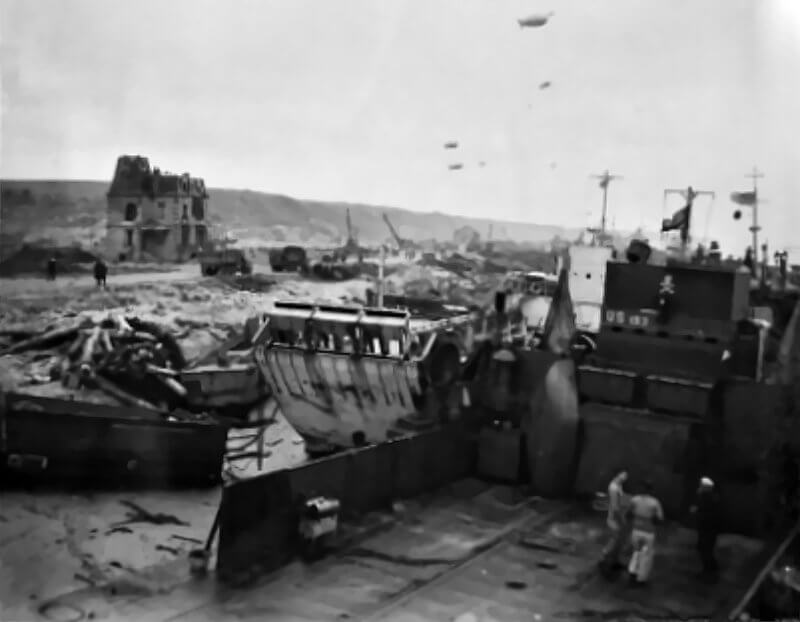
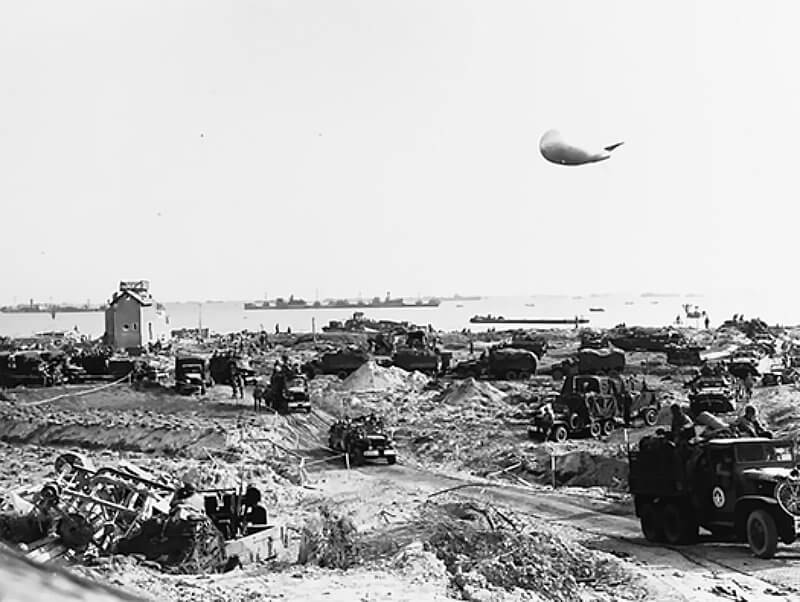
One building, the villa Les Sables d’Or, remains standing near the draw. Unlike most beachfront houses, which are cleared to improve fields of fire, this villa is left intact. It likely serves as an observation post or command shelter. A Luftwaffe lookout team is known to have operated from this location, suggesting its importance as a visual control point.
In summary, Widerstandsnest 66 is a developing but strategically positioned strongpoint guarding the eastern slope of the Les Moulins draw. Though several planned components are incomplete, the site features machine-gun bunkers, Tobruk pits, trenches, and field shelters. Its design reflects the German effort to seal off all viable routes inland from Omaha Beach. While not fully operational by June 6th, 1944, Widerstandsnest 66 still contributes to the defence of the D-3 exit and supports neighbouring positions in holding the centre-west of the American landing sector.
| Multimedia |
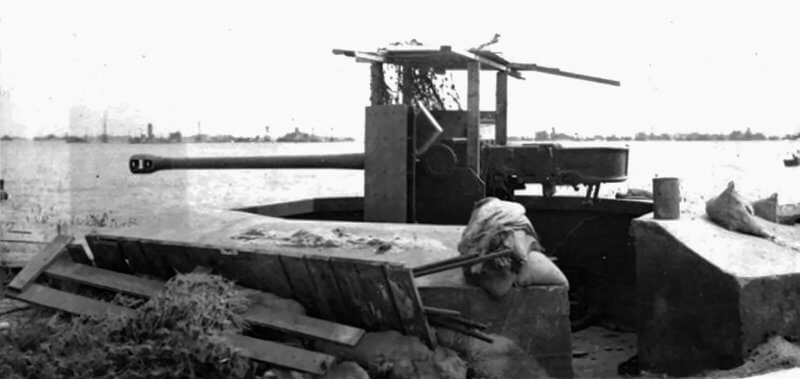
| Defensive Systems and Infrastructure of Widerstandsnest 66 |
Widerstandsnest 66 is part of a wider integrated defensive system designed to block movement through the Les Moulins draw (D-3), a key inland route from Omaha Beach. Its construction reflects the German doctrine of layered defences, combining physical obstacles, fortified positions, and coordinated fire control to delay and disrupt any Allied assault.
At the heart of this defence is a massive anti-tank ditch, dug across the floor of the valley between Widerstandsnest 66 and its western counterpart, Widerstandsnest 68. The ditch spans roughly 600 metres and, according to post-battle aerial photographs, is partially flooded, forming a moat-like barrier. Deep and wide, it is intended to trap Allied tanks and vehicles trying to push up the draw. The obstacle cannot be bypassed easily and forces attackers into narrow channels under direct German fire.
To reinforce this, a large anti-tank wall blocks the main coastal road running inland through the draw. This reinforced concrete structure, measuring approximately 2.7 metres high and 1.8 metres thick, is anchored into nearby buildings and the slope. Several French houses in Les Moulins are demolished to clear lines of fire and provide materials for construction. One villa, Les Sables d’Or, is left intact and likely incorporated into the defensive layout. The wall, in combination with the ditch, turns the draw into a death trap, forcing attackers into a bottleneck while exposing them to interlocking fire from Widerstandsnest 66 and Widerstandsnest 68.
Surrounding Widerstandsnest 66 are extensive minefields, including both anti-personnel and anti-tank mines. These are sown along probable approach routes, across the valley floor, on the slopes leading up the bluff, and around bunker perimeters. Multiple belts of barbed wire are laid to funnel attacking infantry into pre-sighted kill zones. In front of the bunkers, small anti-tank ditches and weapon pits serve as additional obstacles against advancing armour.
On the seaward side, the beach in front of Widerstandsnest 66 is covered with standard Atlantic Wall obstacles. These include steel “Czech hedgehogs,” Belgian Gates, wooden stakes tipped with Teller mines (Rommel’s “asparagus”), and log ramps. These structures are designed to destroy or delay landing craft and slow infantry landings under fire. Notably, two Belgian Gates block the beach road at the draw’s mouth. These large steel obstacles are movable, allowing German traffic during the day and closed at night to impede surprise attacks.
Communications and observation are central to Widerstandsnest 66’s defensive role. The strongpoint is almost certainly linked by buried field telephone lines to neighbouring resistance nests and to battalion or regimental command posts further inland. Some positions along the beach use Lichtsprechgerät (optical signal devices) or radio systems to maintain contact if telephone wires are cut. Widerstandsnest 66 is also known to host Flugwachkommando 56 “Gustav”, a permanent Luftwaffe observation post manned by six air observers. These men likely occupy the Les Sables d’Or villa, taking advantage of its panoramic view over the draw and beach.
The Luftwaffe observers report aircraft movements to the broader air defence network but may also assist in calling artillery fire during a ground assault. German forward observers stationed at strongpoints like Widerstandsnest 66 are capable of directing pre-registered barrages from inland batteries of the 352nd Artillery Regiment. These batteries, armed with 105-millimetre howitzers, are tasked with disrupting any massed Allied advances from the shoreline.
Internally, the trenches of Widerstandsnest 66 serve multiple purposes. They allow defenders to move under cover between bunkers, gun positions, and shelters. They also function as communication trenches, enabling messages, supplies, or medical support to pass safely between rear and frontline elements.
In summary, Widerstandsnest 66 is far more than a cluster of bunkers. It forms part of a layered defensive system designed to make any attack on the Les Moulins draw as slow and costly as possible. Minefields, barbed wire, a flooded anti-tank ditch, and a massive concrete wall combine with fire from machine guns, anti-tank weapons, and artillery directed by observers. These elements are tied together by a functional network of communication and observation, ensuring Widerstandsnest 66 plays a key role in the German effort to contain any Allied breakout from Omaha Beach.
| Armament and Weapons Emplacements of Widerstandsnest 66 |
Widerstandsnest 66, though smaller than some of the major defensive positions on Omaha Beach, fields a varied and lethal arsenal tailored to block any advance through the Les Moulins draw. Its weapons are intended to deliver a mix of direct fire, indirect bombardment, and sustained machine-gun defence, creating overlapping kill zones along the beach, draw, and valley slopes.
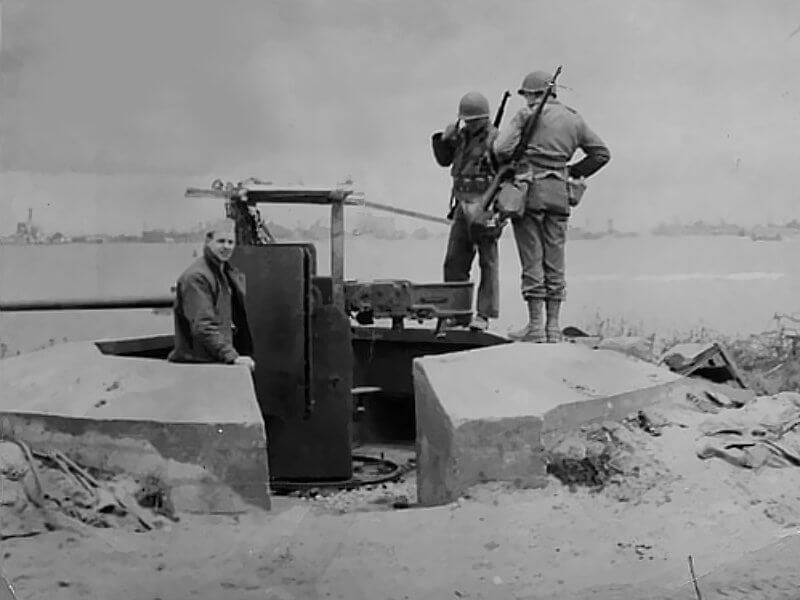
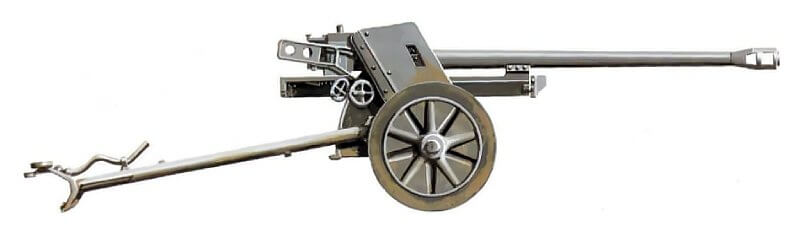
The strongpoint’s primary gun is a 5.0-centimetre PaK 38 anti-tank gun, positioned in an open emplacement near the base of the bluff, close to the beach. This 5-centimetre gun is sited “en bord de mer,” giving it a direct line of fire across the sand and up the draw. With a rate of fire of 10–15 rounds per minute and effective penetration against light armour, it poses a major threat to landing craft and tanks attempting to exit the beach.
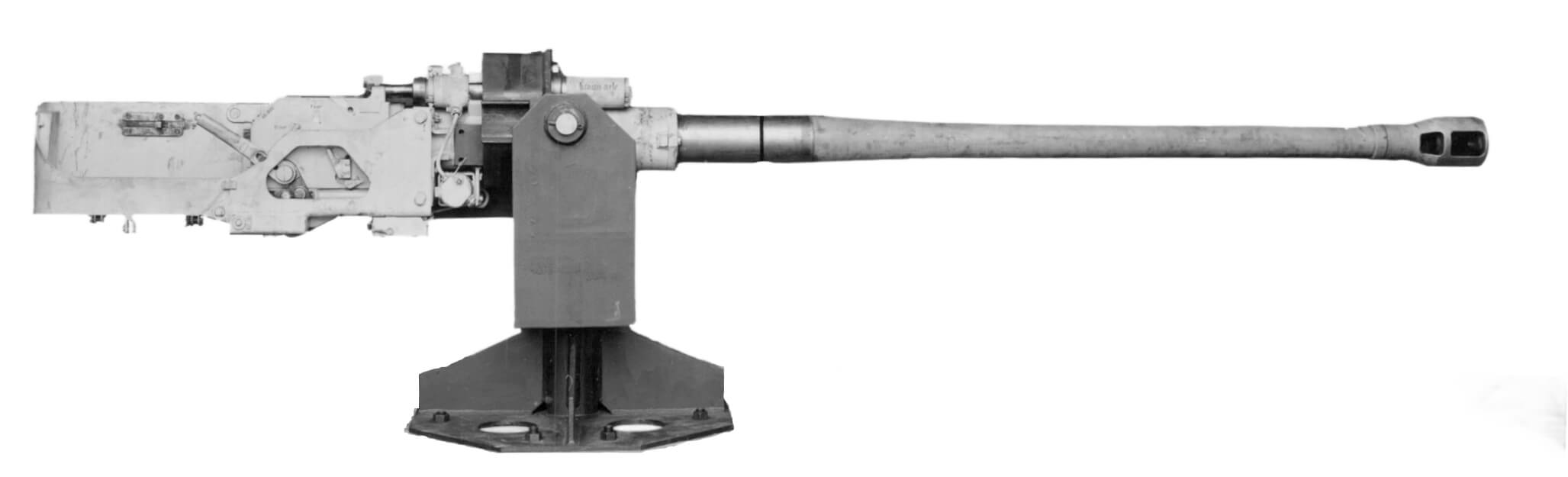
A second 5-centimetre gun, a repurposed tank gun (KwK), is intended to be mounted in a concrete casemate under construction further inland. This structure, possibly a modified Regelbau R667, is designed for a pedestal-mounted gun with wide traverse to sweep both flanks. However, the bunker is incomplete by June 6th, 1944, and the weapon is not operational. Thus, only one 5-centimetre gun is confirmed active at Widerstandsnest 66 on D-Day.
To supplement the direct-fire weapons, the Germans plan to install Renault R35 tank turrets on Tobruk pits at Widerstandsnest 66. These steel turrets are equipped with a short-barrel 37-millimetre SA18 cannon and a coaxial 7.5-millimetre FM 31 machine gun. One turret is allocated to a bluff-top position facing inland, designed to strike at any troops or vehicles pushing up from the beach. However, on June 6th, 1944, at least one turret remains on its delivery truck, evidence that the pit is not yet completed. It is unclear whether the second turret is emplaced in time, but post-invasion intelligence records only one turret active in the sector. Even so, these mini-pills provided a fortified, rotating armoured firing point that could significantly delay attackers in confined terrain.
For indirect fire, Widerstandsnest 66 fields two heavy mortars, most likely 8-centimetre s.Gr.W.34 weapons (standard 81-millimetre company mortars). These are mounted in Tobruk pits or partially covered field emplacements on the plateau. With a range of over 2.5 kilometres, they can lob high-explosive shells deep into the beach zone, targeting troops behind cover or massing near the seawall. The mortar teams are likely equipped with pre-registered fire plans, allowing them to rapidly engage known target points with plunging fire.
Close defence is handled by machine guns, primarily MG 34 or MG 42 types. One two-embrasure bunker is built to house a fixed machine gun covering the draw and valley road, though it is still under construction by D-Day. In its absence, the crew may have used a light Machine Gun on a tripod. Elsewhere, machine gun teams are stationed in Tobruk pits, trenches, and makeshift field positions. These weapons are positioned to provide interlocking fire across the beach flanks, toward Easy Green to the east and Dog Red to the west. German doctrine calls for overlapping fire sectors, and Widerstandsnest 66’s Machine Guns are arranged accordingly.
In addition to fixed weapons, the infantry have portable Machine Guns, including both deployed light machine guns and reserve guns kept in shelters or bunkers. These are quickly moved to new positions if needed, including shell craters or firing slits in sandbagged positions. At Omaha Beach, most Widerstandsnester are equipped with dozens of Machine Guns, some fixed, others flexible, and Widerstandsnest 66 is no exception.
Each infantryman also carries standard small arms, including Kar 98k bolt-action rifles, MP 40 submachine guns, and Stielhandgranaten stick grenades. Panzerfaust or Panzerschreck launchers may also be present for short-range anti-tank defence, although these are not specifically documented for Widerstandsnest 66. Nevertheless, the garrison is equipped to resist a close-quarters breakthrough, with every trench and corner potentially becoming a point of resistance.
No flamethrower installations are recorded at Widerstandsnest 66, though other Omaha strongpoints, especially to the east, deploy fixed flame projectors linked to bunker switches. Widerstandsnest 66 also lacks any known anti-aircraft weaponry. Instead, it relies on rifle-calibre small arms for air defence, and support from neighbouring positions like Widerstandsnest 64 or Widerstandsnest 70, which are equipped with 20-millimetre Flak guns.
This mix of weapons is designed to create layered resistance from beach to bluff. While some positions are incomplete by D-Day, the active defences still present a serious obstacle to advancing Allied troops. With enfilading anti-tank fire, plunging mortar bombardment, and overlapping Machine Gun coverage, Widerstandsnest 66 plays a vital part in defending the Les Moulins draw and denying exit from the Dog Red and Easy Green sectors.
| Multimedia |

| Garrison and Organisation of Widerstandsnest 66 |
Widerstandsnest 66 is manned by a platoon-sized garrison, consistent with German practice for coastal resistance nests. Most Omaha Beach strongpoints are held by thirty to forty men. Widerstandsnest 62 has thirty-one defenders and resists for several hours. Widerstandsnest 66, being mid-sized and incomplete, likely contains twenty to thirty soldiers.
The troops at Widerstandsnest 66 are drawn from the 716. Infanterie-Division and the 352. Infanterie-Division. Kompanie 10 of Grenadier-Regiment 726 (. Infanterie-Division) is responsible for Widerstandsnest 64 to Widerstandsnest 68. These soldiers have manned the coast since 1942. They are older, second-line personnel, including conscripts from occupied territories such as Poland and Russia. In early 1944, they are reinforced by the Kompanie 5 of Grenadier-Regiment 916 from the newly arrived 352. Infanterie-Division. These men are younger, better trained, and some have combat experience from the Eastern Front.
By June 6th, 1944, Widerstandsnest 66’s garrison is a mixed force. Core personnel from the 716. Infanterie-Division provide local knowledge and familiarity with the terrain and defences. Elements of the 352. Infanterie-Division stiffen the resistance with more recent training and tactical mobility. German doctrine places such a garrison under a Leutnant or Oberfeldwebel. A strongpoint of this size does not receive a senior officer but follows a clear chain of command.
The men are organised into weapon crews and rifle squads. The 5-centimetre PaK 38 anti-tank gun is operated by five or six men. The crew includes a commander, gunner, loader, breech operator, and ammunition handlers. Each mortar team consists of three to four men. The team includes a gunner, assistant gunner, and one or two ammunition bearers. Machine guns are operated by two- or three-man teams. Each team has a gunner, assistant, and possibly an additional ammunition carrier. These crews belong to the company’s heavy weapons platoon.
Eight to ten riflemen defend the trenches and perimeter. They carry Kar 98k rifles, MP 40 submachine guns, and grenades. They man firing slits, trenches, and revetments. They provide security against infantry assault and reinforce threatened sectors. Their duty includes patrolling blind spots and helping MG crews or mortar teams as needed.
The garrison shelters in reinforced dugouts or field bunkers when under bombardment. When the shelling stops, they are trained to re-man their weapons immediately. Fields of fire and target sectors are prearranged and rehearsed. Range cards are issued. Each crew knows its arcs of responsibility. Communication within Widerstandsnest 66 is maintained via trench shouting, runners, and field telephones. Phone lines link bunkers and shelters.
A Luftwaffe detachment is present. This team belongs to the Flugmeldedienst (air warning service). It consists of six air-force personnel, attached from the 15. Flugmelde-Reserve-Kompanie. Their role is to observe the skies and report Allied air or naval activity. They are not under Army command. Their base is the villa Les Sables d’Or, which remains intact. This house likely contains optics, telephone equipment, and observation posts. On June 6th, 1944, their primary role is disrupted. It is unknown whether they join the defence directly. However, they are armed with personal weapons and likely assist as riflemen or observers once the invasion begins.
Internal coordination relies on direct orders, signals, and runners. The garrison is trained in defensive drills and counterattack procedures. Communication lines to adjacent positions, including Widerstandsnest 68 and Widerstandsnest 64, are likely maintained until bombardment cuts them. The German command structure encourages mutual support between strongpoints. Mortar and machine-gun fire are coordinated to create overlapping zones. Infantry squads are instructed to hold the position as long as possible.
The defenders have rehearsed emergency actions. At the sound of naval gunfire or aircraft, they take shelter. At the lifting of the bombardment, they return to firing positions. The doctrine stresses immediate response during the vulnerable landing phase of the attacker. Any hesitation risks collapse of the defensive perimeter.
Morale varies. The 716. Infanterie-Division personnel are older and less physically robust. They have extensive experience in static defence. The 352. Infanterie-Division men are younger, better conditioned, and recently trained. Some have Eastern Front experience. The mixed composition results in a capable but uneven garrison. Non-Commissioned Officers provide discipline and continuity. Troops are aware of the strategic importance of the Les Moulins draw. Orders are to hold to the last round.
Widerstandsnest 66’s personnel include artillerymen, machine-gunners, mortar teams, riflemen, communication staff, and Luftwaffe observers. All men are issued rifles or pistols in addition to their crew duties. Sentries are rotated. Shifts are maintained in trenches, Tobruk pits, bunkers, and shelters. Ammunition is distributed in advance. Reserve weapons and grenades are stockpiled in covered niches. Medics or medical aides are not documented, but some first-aid capacity is likely present.
Widerstandsnest 66’s defenders operate in coordination with neighbouring nests. If Widerstandsnest 68 comes under assault, Widerstandsnest 66 supports with flanking fire. If Widerstandsnest 64 is breached, Machine Guns and mortars adjust to deny the valley road. The Luftwaffe observers may relay information to artillery units inland, although these connections are quickly overwhelmed by Allied jamming and bombardment.
The German doctrine holds that even thirty men in a fortified position can delay a battalion if properly led and armed. The garrison of Widerstandsnest 66 reflects this principle. Their task is to deny the draw, inflict maximum losses, and hold out until relief arrives or until they are overrun.
| Widerstandsnest 66’s Role in the Omaha Beach Defence Strategy |
Widerstandsnest 66 is part of a wider German strategy to defend the Norman coast through mutually supporting strongpoints. The Atlantic Wall does not rely on a continuous trench line. Instead, resistance nests are established at tactical choke points, the draws, bluff lines, and beach exits. These points form nodes in a web of fortifications designed to create overlapping fields of fire and interlocking kill zones.
On Omaha Beach, thirteen Widerstandsnester stretch along six kilometres of coastline. Widerstandsnest 66 is responsible for defending the D-3 draw at Les Moulins. This is one of five key exits off the beach. Widerstandsnest 66 is paired with Widerstandsnest 68 on the opposite side of the draw. Together, they form a coordinated strongpoint complex. Their fields of fire intersect and overlap across the valley, creating a deadly crossfire. Any assault force moving inland from the beach is caught between them.
The 5-centimetre PaK 38 gun in Widerstandsnest 66 is placed to enfilade the valley and sweep the western side of the draw. Its position also allows fire onto Dog Red beach. Widerstandsnest 68, with its own turreted guns and casemates, supports the defence of Easy Green beach to the east. Each strongpoint covers the other’s blind spots. The anti-tank ditch spanning the draw reinforces this effect. Infantry must either bypass the ditch under fire or attempt to breach it, all while being swept by interlocking gunfire from two elevations.
Widerstandsnest 66 also supports neighbouring resistance nests. To the east are Widerstandsnest 64 and Widerstandsnest 65, positioned to defend the E-1 draw in the Ruquet valley. Their machine guns and mortars can contribute to Widerstandsnest 66’s defence. To the west are Widerstandsnest 68 and the Vierville strongpoints (Widerstandsnest 70–Widerstandsnest 72), defending the D-1 draw. The Germans have calculated all sightlines and killing zones to ensure no gaps exist in the coverage. Beach sectors between draws are exposed to grazing fire from multiple directions. Widerstandsnest 66’s mortars and Machine Guns, positioned on the bluff, can fire into the edge of Widerstandsnest 65’s sector. Likewise, Widerstandsnest 68 can sweep Easy Green if needed.
This design creates a zone of mutual fire support. German doctrine mandates that if one strongpoint comes under attack, its neighbours engage the attackers from the flanks. Widerstandsnest 66 is thus expected to aid Widerstandsnest 68 and receive aid in return. Any infantry attack across the beach or up the draw is to be engaged from multiple sides and elevations.
The central purpose of Widerstandsnest 66 is to deny access to the D-3 draw. This draw is one of the few viable vehicle routes inland. The anti-tank ditch and reinforced concrete wall at the valley entrance are physical barriers. These obstacles are supported by direct fire weapons, anti-tank guns, machine guns, and mortars, all pre-sighted and ready to engage engineers, tanks, or vehicles trying to clear the route. One unfinished casemate at Widerstandsnest 66, marked as Bunker 4 in German plans, is designed for a dual-embrasure gun mount to sweep both east and west. Though incomplete on June 6th, 1944, this shows the intent: Widerstandsnest 66 is to anchor fire support not only for its own draw but for neighbouring beach sectors.
The open-pit PaK 38 in Widerstandsnest 66 serves as a beach gun. Its traverse allows it to fire laterally along the shore, flanking attacking infantry as they land. These lateral enfilades from Widerstandsnest 66 and its neighbours are what cause high casualties among the first wave. Every movement across the beach, up the slope, or into the draw is exposed to machine-gun fire, grenade launchers, or Anti-Tank guns.
Widerstandsnest 66 also contributes to the command and control network on Omaha. Company-level command posts exist in inland positions like Widerstandsnest 63 and Widerstandsnest 69. Widerstandsnest 66 reports to these command structures, receives orders, and requests support. Its observers, including the Luftwaffe air-warning team, are part of the wider fire-control system. If they detect Allied concentrations, they can call for artillery support. German fire plans assign pre-registered target zones. These include the beach exits and assembly areas. For instance, I. and III. Bataillon of Artillerie-Regiment 352 are located inland with guns capable of hitting Omaha Beach. Observation posts at Widerstandsnest 62 and Widerstandsnest 66 correct their fire as the battle progresses.
Artillery fire is intended to fall in timed concentrations, coordinated with machine-gun fire and mortar bombardment. Widerstandsnest 66 is therefore not isolated, it acts in concert with distant batteries and nearby nests. Its defences are integrated into a layered system.
German doctrine calls this Verteidigung in der Tiefe, defence in depth. The outermost layer at Widerstandsnest 66 is the minefield and obstacle belt. Seaward of the draw, Belgian gates, hedgehogs, and mined posts break up landing formations. The second layer is the beach kill zone. Mortars and Machine Guns strike troops before they reach cover. The third line is the draw’s mouth. The anti-tank ditch, the wall, and enfilade gunfire block vehicle access and force troops into exposed chokepoints. The final line is artillery support and, in theory, mobile reserves. Widerstandsnest 66’s job is to hold all these layers intact until reinforcements arrive or until every man is dead.
Each component of Widerstandsnest 66’s defences is tied to this objective. Bunkers are placed to protect key firing arcs. Trenches connect shelters and weapon pits. Minefields are sown to delay and channel attackers. Communication lines link Widerstandsnest 66 to higher command and neighbouring nests. Its garrison is under orders to resist at all costs, to buy time and inflict maximum losses.
By early June 1944, Widerstandsnest 66 is not fully complete. One gun casemate and one tank turret emplacement remain unfinished. However, the strongpoint is operational. Its primary weapons are in place. Its obstacles are ready. Its fields of fire are calculated. Its defenders are in position.
Widerstandsnest 66 is thus a keystone in the central sector of Omaha Beach. It controls access to one of the most important draws. It links the fire plans of Widerstandsnest 65 to Widerstandsnest 68. It provides observation and reporting to artillery. It forms part of the defensive web designed to crush an amphibious assault at the water’s edge. Its existence shows the thoroughness of German planning and engineering. Before June 6th, 1944, Widerstandsnest 66 is an essential element of the German expectation: that the Atlantic Wall will hold.
| Multimedia |
| Sources |